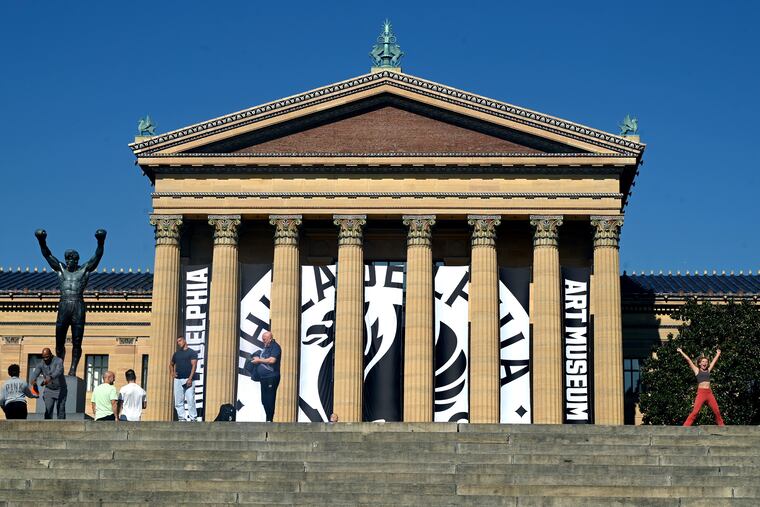
Art Museum files petition accusing Sasha Suda of misconduct.
In a significant development, the Philadelphia Art Museum’s board of trustees has publicly responded to a lawsuit filed by Sasha Suda, who was recently removed from her position as director and CEO. The museum asserts that Suda’s dismissal followed an internal investigation that revealed she had misappropriated funds and attempted to conceal her actions. This revelation emerges from a petition filed by the museum in the Philadelphia Court of Common Pleas, which outlines the reasons for Suda’s termination.
The museum’s petition alleges that Suda had made repeated requests for pay increases that were denied by the compensation committee of the board. The board contends that Suda took inappropriate measures when her requests were not met. They indicate that in light of her alleged misconduct, no conscientious board member could justify her retention, prompting the board to vote for her removal. Furthermore, the museum has requested arbitration to resolve the dispute, countering Suda’s demand for a jury trial.
In response to the allegations, Suda’s attorney, Luke Nikas, representing the firm Quinn Emanuel Urquhart & Sullivan, has denied the museum’s claims. Nikas stated that the accusations are unfounded, suggesting that if the museum had transparency regarding its operations, it would not be hesitant to address the issues in state court, where Suda’s initial case was filed.
Suda’s original complaint portrays her termination as a consequence of her attempts to innovate and modernize the institution, which she claims were met with resistance from a faction of the board perceived as corrupt and intent on maintaining the existing order. The Philadelphia Art Museum, meanwhile, has characterized her allegations as a blend of falsehoods and irrelevant accusations, emphasizing the integrity of the board’s decisions.
As the legal battle unfolds, the public and art community will be closely watching to see how this dispute impacts the museum’s reputation and governance. The outcomes of these proceedings may have implications not only for the individuals involved but also for the broader narrative regarding accountability in leadership roles within cultural institutions. Such controversies highlight the challenges faced by nonprofit organizations in balancing governance, oversight, and the need for innovation in their mission.
This ongoing situation continues to raise important questions about ethical practices and transparency within the leadership of prominent cultural institutions. The developments of this case will certainly merit further scrutiny as they progress through the legal system.
The petition filed by the Philadelphia Art Museum can be reviewed for more detailed insights into the context of this unfolding legal drama, shedding light on the serious allegations and the board’s perspectives on the incident. Media News Source will continue to provide updates on this evolving story.