Letters to the Editor Published on November 26, 2025
U.S. Policy Toward Ukraine Faces Scrutiny Amid Calls for Change
The ongoing conflict between Ukraine and Russia has emerged once again as a focal point of debate within U.S. political circles, particularly in the context of recent comments from former President Donald Trump. As Ukraine continues to demonstrate remarkable military resilience and strategic dexterity against Russian advances, questions arise regarding the support that the United States is prepared to extend to its ally.
Despite Ukraine’s significant military successes, including the reclamation of territories previously seized by Russian forces, Trump has publicly called for a reevaluation of U.S. involvement. His alignment with Russian President Vladimir Putin raises concerns about the possible implications of such an approach. Analysts assert that Ukraine has faced devastating losses while defending its sovereignty, and there is a widespread belief among international military experts that Ukraine possesses the capability to achieve victory against Russia with the appropriate support.
Critics argue that proposals to ease sanctions on Russia or provide it with territorial concessions represent a detrimental shift in policy that could effectively distance the U.S. and its allies from longstanding commitments to uphold Ukraine’s sovereignty. This conversation is not merely academic; it has real-world consequences for the geopolitical landscape in Europe and the credibility of NATO commitments.
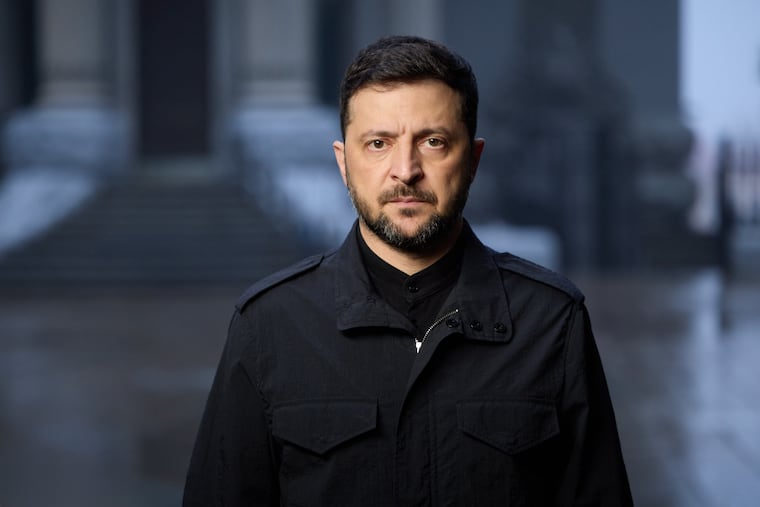
In light of these developments, Ukrainian President Volodymyr Zelensky must navigate this complex terrain with caution. The domestic audience in the U.S. has largely expressed support for Ukraine; however, Trump’s leadership positions historically reflect a more self-centered narrative amidst the broader geopolitical dynamics. His recent suggestions imply a readiness to broker peace that favors Russian interests, potentially at the cost of Ukrainian dignity and autonomy.
Furthermore, the Biden administration’s challenge remains to maintain bipartisan support for Ukraine. The perception of Trump’s relationship with Putin and his inclination to undermine NATO could complicate the U.S.’s diplomatic maneuvering. Allies in Europe have signaled their disfavor regarding any plans that might reward Russian aggression, emphasizing the importance of solidarity in opposition to such actions.
The ongoing conflict and the emerging political dialogues invite questions about U.S. foreign policy direction, the commitment to NATO partners, and the broader implications for international law and rights. The outcome of these discussions could redefine the future of U.S.-Ukraine relations and the balance of power in Eastern Europe.
In this challenging landscape, the principle of support for allies like Ukraine must be carefully weighed against political ambitions and appeasement strategies that could have far-reaching consequences for global stability. As debates unfold, maintaining clarity and purpose in U.S. foreign policy is of utmost importance for the future integrity of international alliances and the preservation of sovereignty in conflict zones.
Media News Source