Supreme Court shows support for anti-abortion center in legal battle regarding disclosure of donor identities.
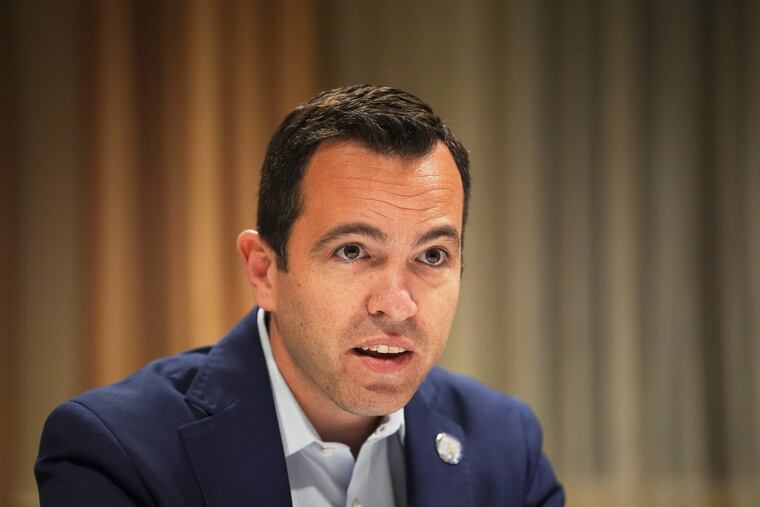
In a notable legal dispute, New Jersey Attorney General Matt Platkin initiated a subpoena in late 2023 aimed at investigating whether the First Choice Women’s Resource Centers Inc., a network of faith-based anti-abortion pregnancy centers, misled clients and donors regarding their offerings, specifically concerning abortion referrals. The organization swiftly countered by filing a lawsuit in federal court, asserting that the sweeping request for donor information infringed upon its First Amendment rights and constituted an act of intimidation from an official opposed to its anti-abortion stance.
In a recent Supreme Court session, justices appeared receptive to First Choice’s claims, which have garnered support from various religious groups, anti-abortion advocates, and free-press proponents. The justices raised concerns about the potential chilling effects on donors should their identities be disclosed, with Chief Justice John G. Roberts Jr. questioning whether such disclosure might deter individuals from contributing to the organization.
The case pivots on a legal technicality regarding whether First Choice is justified in challenging the subpoena in federal court rather than at the state level, yet its outcomes may significantly affect a broad spectrum of ideological groups facing scrutiny from their respective attorneys general. Various advocates emphasized that the ability to contest subpoenas early in litigation could serve as a vital safeguard against politically motivated probes. The Reporters Committee for Freedom of the Press emphasized that investigative subpoenas could potentially threaten journalistic endeavors aimed at uncovering official misconduct.
Erin M. Hawley, representing First Choice, described the subpoena as sweeping, demanding an extensive array of documents across 28 distinct categories. She cautioned that such demands pose a grave risk to nonprofits like First Choice. The impetus for the state’s investigation derived from findings that certain online platforms maintained by First Choice were obscuring its anti-abortion objective, presenting themselves merely as providers of general pregnancy care.
First Choice operates five centers in New Jersey and denies any allegations of wrongdoing. Critics argue that such clinics often misrepresent their intent and fail to provide necessary medical care, drawing in women who may be seeking abortions. These centers, of which there are over 2,500 nationwide, experienced a surge in financial backing following the Supreme Court’s 2022 decision to repeal the constitutional right to abortion, spurring hopes that women would seek their services instead.
As the legal battle unfolds, particularly in light of a pivotal 2018 Supreme Court decision underscoring the free speech rights of pregnancy centers, the implications of this case extend far beyond First Choice. If the Court grants First Choice’s request for federal intervention, it could set a precedential framework affecting numerous organizations facing similar subpoenas across the nation. Such an outcome could reshape the legal landscape governing state power over organizations with contentious social missions, from pro-LGBTQ+ groups to gun rights advocates, potentially inundating federal courts with challenges to state-issued subpoenas. The implications for nonprofit organizations, state investigations, and rights to free speech are profound and may redefine the operational landscape for countless ideological entities.
As the Supreme Court weighs the matter, it will not only address the specifics of the subpoena but also articulate broader principles regarding the interplay between state power and free expression, impacting a diverse array of organizations in the process. Media News Source.