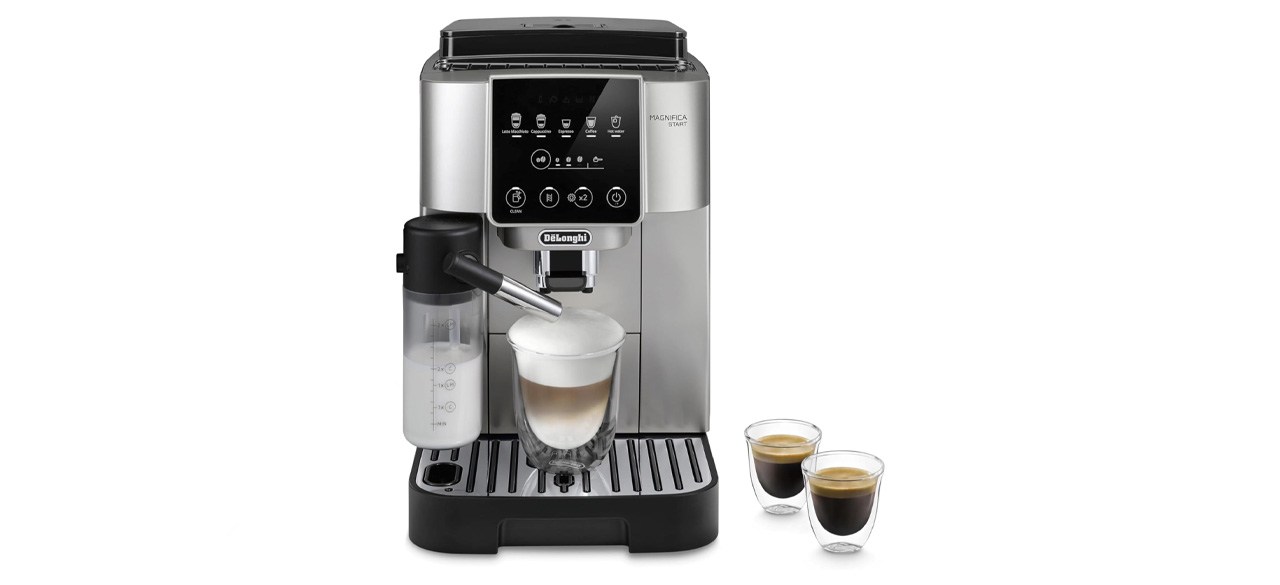
Beware of misleading sale prices during the holiday shopping season.
A recent investigation by the nonprofit organization Consumers’ Checkbook has raised significant concerns regarding the credibility of sales promotions in modern retail. As consumers gear up for major shopping events like Black Friday, the study reveals that a majority of retail stores employ deceptive pricing strategies, rendering many advertised discounts largely illusory. This investigation sheds light on the strategies retailers leverage to attract shoppers while maximizing profits, often at the expense of consumer trust.
From February to August 2025, the researchers closely monitored the pricing structures of 25 national chains, assessing over 25 common products from each store. The selected items varied from tools and home appliances at retailers such as Home Depot to clothing and home goods at Kohl’s, along with electronics from Best Buy. The findings indicate a troubling trend: consumers are frequently misled by sales that don’t genuinely reflect reduced prices.
Historically, previous studies conducted by Consumers’ Checkbook in 2015, 2018, and 2022 confirmed an increase in false sales, identifying six retailers that frequently advertised misleading discounts. This year, that number has escalated, with 21 out of 25 retailers in the current study showing a propensity to promote sale prices more than 50% of the time, leading to greater skepticism about their pricing integrity.
Notably, companies such as Bass Pro Shops, Bed Bath & Beyond, and Dick’s Sporting Goods have been flagged as significant offenders in the misleading sale department. Conversely, only a few retailers, including Apple and Costco, maintained a reputation for genuine discounts.
To navigate this complex landscape, consumers are encouraged to adopt strategies to secure genuine bargains. Experts advise that shoppers should not assume a sale price equates to a good deal; often, these prices reflect regular pricing rather than actual discounts. Vigilance is crucial; comparison shopping is essential in determining the lowest prices, as retailers frequently implement significant price fluctuations.
Additionally, shoppers are urged to take advantage of price-matching policies, as many retailers will match competitors’ lower prices. This strategy could deter impulse buys and encourage more considered purchasing decisions. Negative consumer experiences stemming from deceptive pricing tactics highlight the importance of being informed and proactive during shopping, especially during peak sales periods.
As retail practices continue to evolve, understanding the dynamic between advertised discounts and actual pricing can empower consumers to make informed decisions, safeguarding them against manipulative sales strategies that have become increasingly prevalent in the marketplace.