Atlantic City wind farm saves .8 million over the past 20 years despite initial opposition.
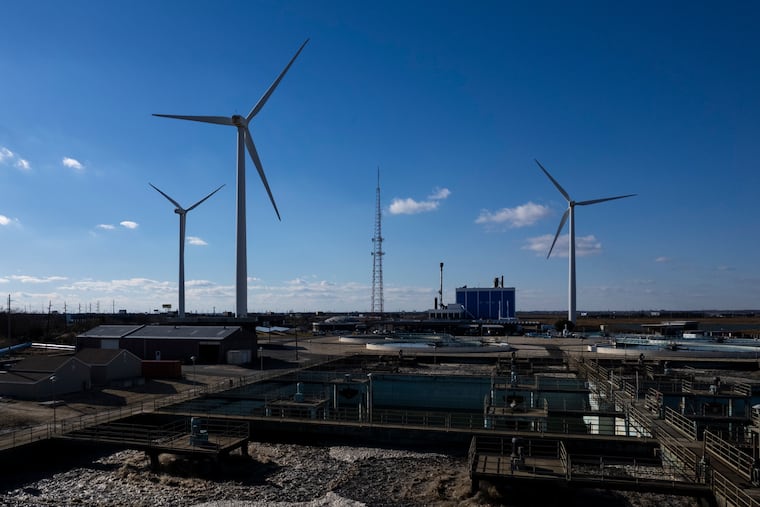
On a recent blustery winter day, strong winds activated the colossal blades of the five turbines at the Jersey-Atlantic Wind Farm, an installation that has transformed from a controversial project into a significant landmark near Atlantic City, New Jersey. Originally met with opposition due to concerns over noise, aesthetics, and potential threats to local avian populations, the wind farm now serves as a visible testament to the viability of wind energy in the region.
Standing at an impressive 380 feet, these turbines are visible to motorists heading toward Atlantic City’s vibrant casino district. Over the years, their presence has garnered a positive response, with some visitors reportedly requesting accommodations with views of the towering structures, which exceed the height of the Statue of Liberty.
In contrast to this triumph, the development of offshore wind projects has encountered significant challenges, particularly stemming from financial constraints and political opposition during the Trump administration. Despite these hurdles, the Jersey-Atlantic Wind Farm remains a beacon of renewable energy, contributing nearly two-thirds of the power consumption for the Atlantic County Utilities Authority’s wastewater treatment plant, which services 14 municipalities. Since its inception in December 2005, the wind farm has achieved substantial savings for ratepayers, estimated at approximately .8 million.
The Jersey-Atlantic Wind Farm is among only two operational wind farms in New Jersey, with the other located in Bayonne. The project initially took root in the early 2000s, driven by a vision for renewable energy that would harness the region’s consistent breezes, both from the land and the ocean. The wind farm was made possible with the support of state leadership, including former Governor Jim McGreevey, and partnerships with companies like Community Energy Inc., which played a pivotal role during the project’s development.
Despite early community concerns about the potential for noise and visual impacts, local perceptions shifted positively after an organized tour to an existing wind farm alleviated residents’ apprehensions. Studies conducted by NJ Audubon confirmed a minimal impact on local bird populations, further improving public sentiment toward the turbines.
Today, the wind farm not only aids in maintaining some of the lowest sewage rates in the state but also continues to attract attention from casino guests enjoying views of the turbines. As the Atlantic County Utilities Authority explores future agreements concerning power rates, the success of the Jersey-Atlantic Wind Farm stands as a notable case in the broader narrative of renewable energy adoption in New Jersey and beyond. The project exemplifies how effective partnerships and community engagement can pave the way for sustainable energy initiatives.