Philly landlord sentenced to 9 to 18 years for intimidation campaign leading to two deaths.
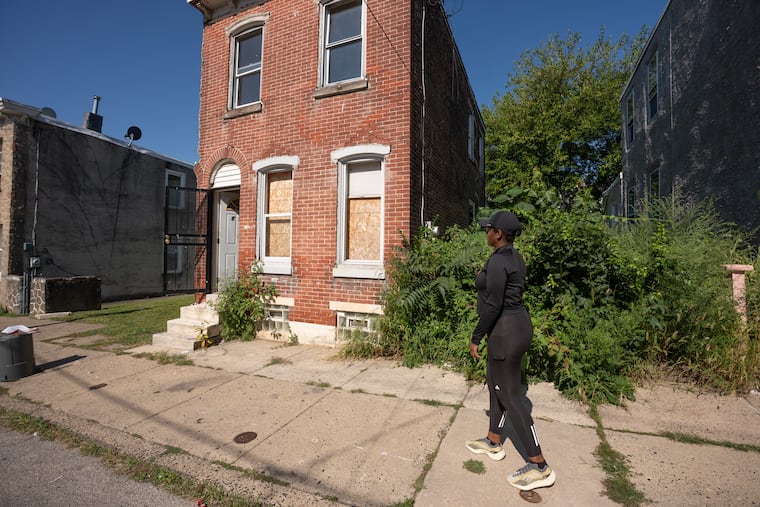
In a harrowing case that underscores the depths of landlord-tenant disputes, a tragic confrontation in a Germantown rowhouse has culminated in a lengthy prison sentence for a landlord whose intimidation tactics ultimately led to loss of life. The property, situated on East Pastorius Street, has become the center of a story filled with neglect, intimidation, and violence.
Patricia Hall, a 45-year-old mother of four, found herself isolated and vulnerable within the empty and dilapidated housing unit after her landlord, Stephen Wilkins, took drastic and illegal measures to force her and her family out. Having rented the two-bedroom home for approximately three years, Hall fell behind on rent in early 2023, a situation exacerbated by worsening conditions within the property. The family reported persistent maintenance issues, such as malfunctioning sinks and decaying stairs, which Wilkins refused to address.
As Hall attempted to retain her home, tensions escalated. Court records indicate that Wilkins engaged in harassment efforts to evict Hall, including disabling electricity and water services and breaking windows. On September 15, Wilkins removed all doors and windows from the house, effectively rendering it uninhabitable and trapping Hall and her children inside.
That same evening, a man later identified as Felipe Eskew, Wilkins’ accomplice, broke into the home. Both Eskew and Hall were armed, leading to a deadly exchange in which they fatally shot one another.
Wilkins, now 55, faced justice when he was sentenced to serve nine to 18 years in prison for instigating the violent encounter that claimed two lives. Initially charged with murder, he ultimately accepted a plea deal involving involuntary manslaughter and solicitation to commit burglary. This resolution came after officials determined that while his intimidation tactics were undoubtedly linked to the tragedy, the direct evidence demonstrating his role in the fatal shooting was insufficient for a murder conviction.
In court, Hall’s daughter, Crystal, spoke about the profound emotional toll the events had taken on her and her younger siblings. The family has experienced significant turmoil since the incident, impacting their mental health and stability. During the proceedings, Crystal made a poignant appeal for justice, emphasizing the lasting void created by her mother’s loss.
Wilkins, addressing the court, expressed regret over the situation, though he maintained that he had not intended for anyone to be harmed. However, the judge indicated that given Wilkins’ actions, he was fortunate not to face a harsher sentence. The case serves as a grim reminder of the fragile dynamics between landlords and tenants, and the potentially devastating consequences when disputes escalate beyond control.
As the community grapples with the implications of this tragedy, Hall’s family prepares to navigate yet another holiday season marked by grief and the absence of a loved one. This case not only raises questions about landlord responsibility but also highlights the urgent need for legal protections for vulnerable tenants in precarious living situations.
This situation, marked by desperation and loss, underscores the critical need for reforms in tenant rights and the enforcement of housing standards to prevent such tragedies from occurring in the future.
Source: Media News Source