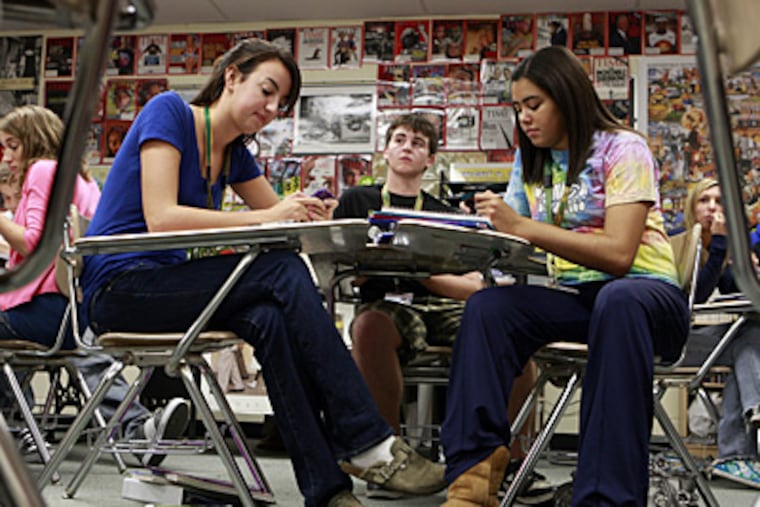
Banning cell phones in schools may address a non-existent issue, raising concerns about the effectiveness of such measures.
Pennsylvania is currently deliberating a comprehensive “bell-to-bell” ban on cell phone usage in schools, a trend that has gained traction across the United States. Advocates for such legislation argue that it will enhance students’ focus, minimizing distractions during educational activities. However, evidence supporting the effectiveness of these bans remains sparse, raising questions regarding their actual benefits.
The premise behind these bans is largely intuitive; educators desire to foster a learning environment where students are engaged and attentive. Many instructors have expressed frustration when their lectures are interrupted by students checking their devices. While individual teachers may find it beneficial to establish their own cell phone policies tailored to their classrooms, the legislative wave advocating for sweeping bans tends to overlook the nuanced dynamics of educational environments.
Despite claims of improved academic performance and enhanced mental health among students following the enforcement of cell phone bans, subsequent analyses often provide a more complex picture. For instance, a review of outcomes in Orange County, Florida, initially touted positive changes. However, further scrutiny indicated that reports of increased bullying and declining mental health conditions arose shortly after implementing the ban, alongside minimal changes in academic performance.
In the broader context, a large-scale study conducted in the United Kingdom concluded that strict cell phone bans did not yield significant improvements in student grades, behavior, or mental health. This aligns with findings from various scientific reviews, which collectively suggest that prohibitory measures on mobile devices may not facilitate the desired improvements in educational settings.
A growing body of research also challenges the motivational narratives surrounding cell phone usage, indicating that smartphones do not considerably detract from real-life social interactions, physical activity, or sleep among youth. Instead, they often replace other forms of entertainment, such as television viewing. This trend raises concerns regarding the rationale for enforcing such bans, particularly when data from the National Center for Education Statistics reveals a downward trend in youth bullying, even amid the rise of smartphones and social media.
Turning attention away from the perceived threats of cell phones may empower educators to address the underlying issues plaguing school systems, such as student disengagement and stress. An overwhelming portion of youth report that their school experiences are characterized by boredom and pressure, suggesting that systemic changes are necessary for genuine improvement.
As states like Pennsylvania consider these measures, it is crucial to recognize that the challenges within educational settings extend far beyond the presence of mobile devices. Prioritizing evidence-based solutions and addressing the authentic needs of students may yield far more beneficial outcomes than repeated moral panics surrounding technological usage. Ultimately, adopting a one-size-fits-all approach to phone bans could distract from tackling deeper issues affecting educational quality and student well-being.
Let us hope that Pennsylvania opts to focus on substantive reforms that genuinely address the needs of its schools, rather than resorting to superficial solutions that have yet to deliver on their promised benefits.