
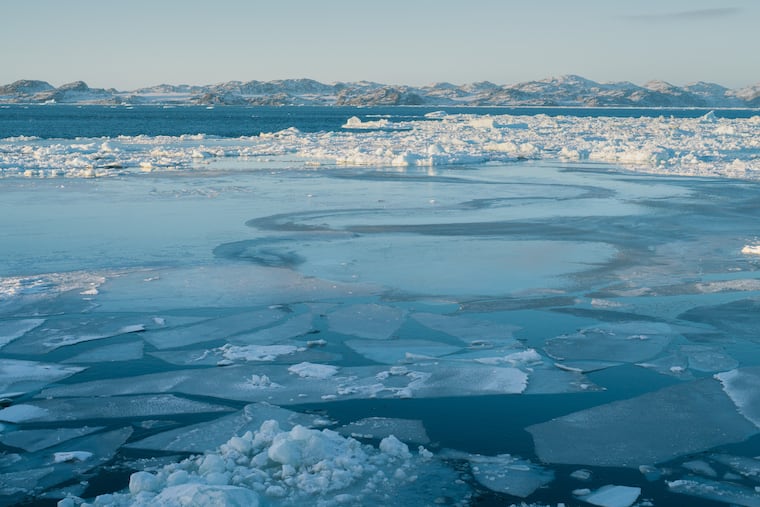
Melting ice could increase Greenland’s strategic importance amid geopolitical tensions.
The Arctic region is undergoing significant transformation, warming at a rate approximately four times faster than other areas of the world. This rapid climate change is exposing previously inaccessible natural resources, opening new shipping routes, and increasing military activity in the area. The evolving landscape presents both opportunities for economic development and the potential for geopolitical conflicts, particularly exemplified by recent discussions regarding Greenland’s strategic significance.
Former President Donald Trump’s interest in acquiring Greenland has sparked considerable dialogue about the implications of climate change on global politics. Although Trump has previously dismissed climate change as a hoax, the strategic value he associates with Greenland is largely attributed to environmental changes impacting the Arctic landscape.
As ice melts, it not only highlights economic prospects in Greenland, such as untapped reserves of diamonds, lithium, and copper but also enhances its geographic accessibility for international commerce and military operations. Experts like Sherri Goodman from the Atlantic Council emphasize that the melting of sea ice is instrumental in transforming the economic landscape of Greenland.
Trump’s ambitions for the territory have led to heightened tensions, including the imposition of tariffs on countries that have deployed troops to Greenland. Recent diplomatic discussions between U.S. officials and representatives from Greenland and Denmark concluded with significant disagreements, reflecting the complexities surrounding the issue.
The potential for the United States to consider military action over Greenland, a NATO ally, raises concerns about the future of longstanding defense agreements. This scenario illustrates how climate change is reshaping international relations and creating an entirely new theater for both economic and security competition.
Arctic sea ice conditions are evolving, with experts noting that over the past fifty years, seasonal changes have facilitated the emergence of new shipping pathways. These include the northern sea route along the coast of Russia and the northwest passage through northern Canada. In a recent demonstration of this shift, a Chinese container ship successfully used the northern sea route, significantly reducing travel time to Europe.
Studies predict that if global temperatures rise by 2 degrees Celsius, Arctic regions could experience an extended season of open water, which would further alter global trade dynamics. However, the timeline of these changes remains uncertain and is influenced by various factors, including the pace of climate change.
Despite the opportunities, scientists caution against underestimating the potential hazards associated with a melting Arctic. Changes in ocean conditions, including winds and waves, could pose significant risks to shipping activities. Experts like climate scientist Zack Labe highlight that the loss of sea ice could undermine protective barriers for coastal communities, increasing vulnerability to erosion and flooding.
While Trump has not acknowledged the broader implications of climate change in relation to Greenland’s desirability, experts argue that recognizing its significance is crucial for effective geopolitical strategy. Climate change poses a substantial national security risk, with the shifting ice conditions and the emergence of new sea lanes contributing to increasingly tense international relations. The Arctic’s future, shaped by both economic interests and environmental considerations, remains a focal point for both government leaders and policymakers around the world.
As the Arctic continues to warm, its implications stretch far beyond environmental concerns, challenging the international community to navigate a complex landscape of opportunity and risk.


