
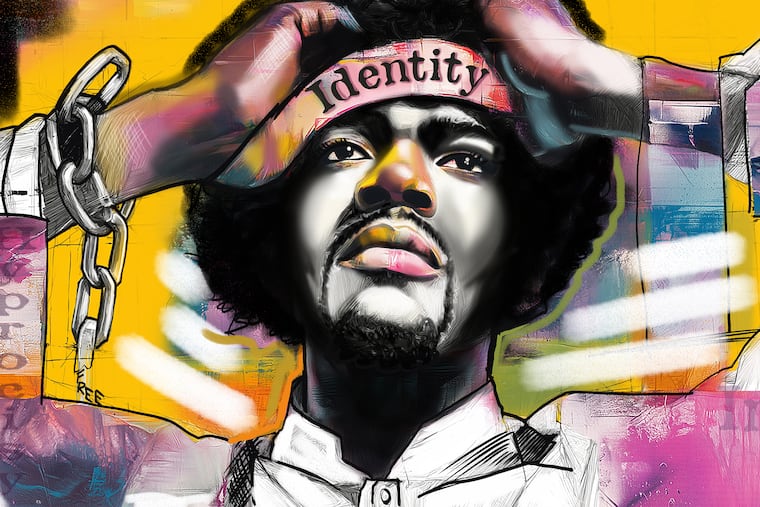
Black Media Highlights Importance of Voice as a Powerful Tool and Safe Haven for Communities
Black media plays a crucial role in the contemporary landscape, serving as a pivotal force in a growing resistance against systemic injustice. At the forefront is WURD Radio, Philadelphia’s only multiplatform Black talk radio station, dedicated to the mission of preserving and promoting Black history, culture, and institutions. As the landscape of journalism rapidly changes, the provision of accurate, culturally specific information stands as a frontline defense against governmental attempts to marginalize Black narratives.
The recent arrests of two Black independent journalists, Don Lemon and Georgia Fort, have spotlighted the lengths to which authorities will go to suppress dissenting voices, a violation of the First Amendment of the U.S. Constitution. For centuries, the Black press has confronted a systemic effort to undermine its institutions and reporting, a struggle that mainstream media has often enabled. From the late 1800s, when newspapers profited from advertisements promoting the enslavement of Africans, to the present day, Black journalism has consistently aimed to counteract negative portrayals and injustices perpetuated by broader media outlets.
The fleeting moments of progress witnessed in the wake of tragedies such as the murder of George Floyd have underscored the persistent battle for diversity and inclusion in newsrooms. Despite promises to enhance representation and commitment to nuanced narratives, the prevailing trend indicates a regression towards historical injustices, signaling a troubling pattern of racial backlash that resurfaces after periods of perceived advancement.
Reflecting on a rich legacy, Black media draws strength from trailblazers such as Samuel Cornish and John B. Russwurm, who founded the first Black newspaper, Freedom’s Journal, in 1827 to advocate for the humanity of Black individuals long before the abolition of slavery. The words and actions of pioneers like Ida B. Wells-Barnett, who battled against lynching through her courageous reporting, and Robert Abbott, who created the Chicago Defender to catalyze the Great Migration, inspire contemporary efforts to address ongoing racial disparities.
Current statistics reveal stark inequalities across housing, health, and education, but without historical context, these figures can perpetuate damaging stereotypes. The juxtaposition of America’s foundational ideals, professing equality while being built upon a legacy of slavery, continues to resonate in today’s discourse, raising critical questions about societal hypocrisy.
Despite overwhelming challenges, WURD Radio remains committed to its mission, revitalizing Black narratives and advocating for a community where voices are heard and respected. As the nation grapples with increased tensions, Black media’s role is not just to report but to witness, documenting the struggles and triumphs that shape the future. This commitment to storytelling ensures that the complexities of Black history and culture will continue to resonate, inspiring a path toward true freedom and justice.
In this turbulent time, the power of media lies in its ability to bear witness, not just to the challenges of the present, but to the potential for a just and equitable future.


