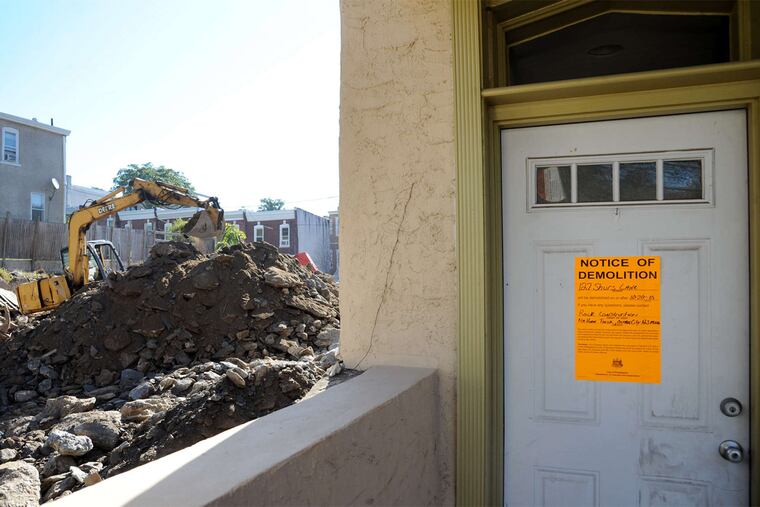
City Council aims to prevent demolitions to combat blight in the community.
In late 2022, members of the Philadelphia City Council initiated efforts to introduce new legislation aimed at regulating the demolition of buildings throughout the city. This move comes amid growing concerns about the impact of such demolitions on community character, particularly in neighborhoods that have seen heightened real estate development over the past two decades.
Philadelphia is home to thousands of vacant properties, and in the past, local lawmakers have often favored demolishing these structures—citing safety concerns such as fire hazards and the need to eliminate areas associated with illegal activities. However, as development in several neighborhoods accelerated, the potential loss of historically significant buildings has sparked a backlash, with community advocates expressing fears that such demolitions could facilitate gentrification, displacing long-term residents.
Councilmember Jeffery Young, who represents parts of North Philadelphia and Center City, has been vocal about the need for tighter controls on demolition permits in his district. Last year, he introduced a bill aimed at prohibiting the issuance of such permits unless property owners first obtained permits for new construction. Young views this legislation as a way to incentivize the rehabilitation of existing structures rather than simply clearing land for new developments. He argues that renovating properties can keep housing prices accessible, thereby preventing the deterioration of community cohesion.
Exceptions to this proposed legislation would be made in cases where buildings are deemed imminently dangerous by the Department of Licenses and Inspections. Young’s proposal follows a similar law enacted by Councilmember Jamie Gauthier, which specifically addressed properties owned by large educational institutions in University City.
However, the Building Industry Association (BIA) has expressed concerns about the implications of Young’s bill. Representatives from the BIA argue that the legislation may inadvertently hinder development timelines, as many developers begin demolition while awaiting building permits. Delays could lead to increased costs associated with insurance and security. The BIA also raised the alarm that the bill could encourage property owners to neglect their buildings intentionally in order to qualify for exemption based on structural danger.
Developers have warned that the preservation of long-abandoned properties poses safety risks by making these structures potential targets for unlawful occupation. In response to these concerns, Young has reiterated his commitment to ensuring property owners maintain their buildings responsibly. Despite pushback, the bill advanced from the committee stage with only minor amendments, reflecting a growing recognition of the need to balance development with the historical and cultural fabric of Philadelphia’s neighborhoods. As discussions continue, the ongoing debate underscores the complexities surrounding urban renewal and preservation in a rapidly changing landscape.