
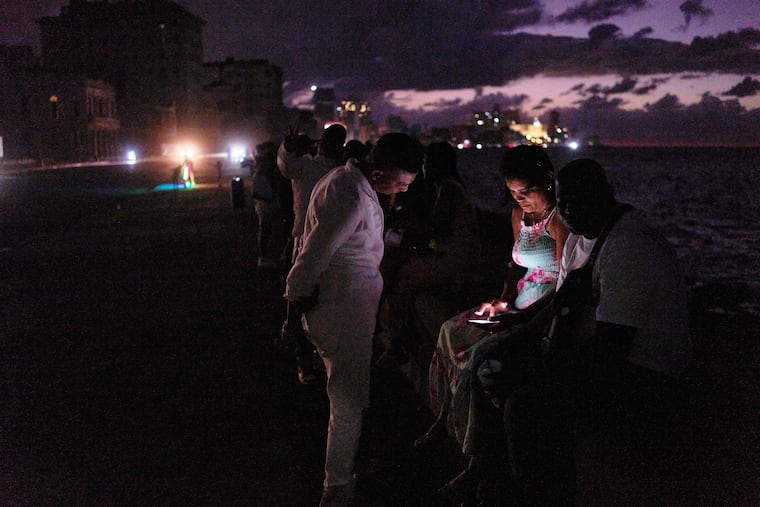
Cuba starts restoring power following a nationwide grid failure.
Cuba Launches Energy Restoration Efforts Amid Nationwide Blackouts
Cuba is actively working to restore its energy system following a nationwide grid collapse that left millions without electricity for the third time in March alone. The state-run Electric Union reported that by early Sunday, approximately 72,000 customers in the capital city of Havana, including five hospitals, had their power reinstated. However, this number represents merely a small fraction of Havana’s roughly 2 million residents.
To address the immediate needs of essential services, small local power systems were established in Havana and various provinces, including Matanzas in the west and Holguin in the east. Reports indicated that power began returning to some neighborhoods in the early hours of Sunday.
Cuba is currently navigating an unprecedented energy crisis, primarily attributed to its aging power grid, which has deteriorated significantly in recent years. The government has also pointed to the effects of a U.S. energy blockade as a cause for the ongoing outages. This blockade was tightened during the Trump administration, which threatened tariffs on any entity supplying oil to Cuba unless it made significant political reforms, including the release of political prisoners.
Additionally, the political shakeup in Venezuela, which saw the removal of former President Nicolás Maduro, has further strained Cuba’s energy resources. Historically, Venezuela has been a crucial supplier of petroleum to the island, and the severing of those supplies has exacerbated the crisis. President Miguel Díaz-Canel has indicated that for the last three months, Cuba has been unable to procure oil from foreign suppliers, resulting in the country producing only about 40% of the fuel required for its economic activities.
The frequent blackouts have resulted in significant disruptions to daily life, impacting work hours, cooking capabilities, and damaging household appliances. Residents living in areas affected by these outages have voiced their frustrations. Many families are struggling to maintain basic services, such as access to water, due to the inconsistent supply of electricity.
The recent blackout, characterized by its sudden and broad impact, was reportedly linked to an unexpected shutdown at the Nuevitas thermoelectric plant in Camaguey province. This was the second blackout in just one week, raising concerns about the reliability of the national energy infrastructure.
Cuban authorities, including Vice Minister of Energy and Mines Argelio Abad Vigo, have acknowledged the critical nature of the current energy situation. Reports disclose that Cuba has been without diesel, fuel oil, gasoline, aviation fuel, or liquefied petroleum gas for an extended period—fuel essential for both economic activity and power generation.
As the country grapples with these complications, fuel rationing has been enacted for vehicles, leading to the suspension or reduction of flights by airlines and shortened operating hours in workplaces. Despite showcasing resilience in the face of hardship, many citizens express a sense of fatigue and uncertainty about their future.
With political discussions surrounding Cuba intensifying, its citizens are focused on their survival and daily routines, hoping for stabilization in an increasingly challenging situation.


