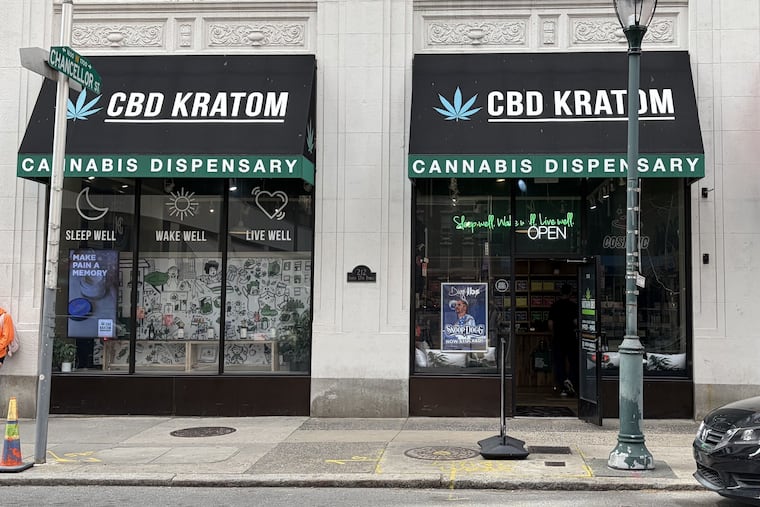
South Jersey man files lawsuit against CBD Kratom stores over addiction to kratom beverages.
In recent months, kratom has garnered attention as a controversial herbal supplement, particularly in Pennsylvania and New Jersey, where a proposed class-action lawsuit may stir significant legal and public discourse. The lawsuit was initiated by Evan Eichhorn, a 34-year-old construction engineer from Camden County, who claims that his use of kratom beverages, marketed for enhancing mood and energy, led to a debilitating addiction and drastic financial loss.
Eichhorn, who first sampled kratom-infused drinks in spring 2024 after being drawn in by advertising, quickly found himself consuming six to eight cans daily. Over the course of a year, he estimated that he spent around ,000 on these products alone. His dependency escalated to a point where he required the drinks to function daily, causing a rupture in his personal relationships and deteriorating his overall well-being. Following a successful stint in rehab utilizing medications traditionally prescribed for opioid addiction, Eichhorn is now seeking legal recourse against CBD Kratom, the retailer responsible for supplying the beverages.
The litigation, filed in the Eastern District of Pennsylvania, accuses CBD Kratom of misleading marketing practices, particularly emphasizing their claims regarding the safety and benefits of kratom. The lawsuit aims to represent all consumers in Pennsylvania and New Jersey who purchased kratom beverages from CBD Kratom over the past two years.
CBD Kratom operates several locations in Philadelphia. However, the company has not yet responded to media inquiries regarding the lawsuit. Kratom, which can be found in various forms such as powders, pills, and beverages, is often touted for its purported benefits, including increased focus and pain relief. Unfortunately, these unregulated products can also be highly addictive, acting on the same brain receptors as opioids like heroin and fentanyl, with effects that can lead users into painful cycles of dependence.
Initial usage of kratom can induce feelings of euphoria, but users often face severe withdrawal symptoms, including nausea, agitation, and anxiety. Eichhorn’s experience reflects a broader trend in the Philadelphia area, where an increasing number of individuals are seeking treatment for kratom-related addiction.
The lawsuit highlights concerns about how CBD Kratom labels its products, arguing that they downplay the potential for addiction, likening kratom to more benign substances like sugar and caffeine. The complaint alleges that the awareness surrounding kratom’s risks is not adequately conveyed, a sentiment echoed by health advocates who argue that consumers deserve sufficient information to make informed purchasing decisions.
As the conversation around kratom intensifies, certain states, including Connecticut, have moved towards banning the substance entirely, while similar legislative efforts are underway in Pennsylvania and New Jersey. Eichhorn, along with many advocates, hopes that increased public awareness and stricter regulations will diminish the prevalence of kratom addiction and promote safe consumption practices.
Ultimately, the emerging legal battle encapsulates not only an individual’s struggle but also broader societal concerns regarding the promotion and regulation of alternative substances such as kratom, underscoring the need for enhanced consumer protections in the rapidly evolving market of herbal supplements.