DNA analysis identifies suspect in two New Jersey cold case murders from the 1990s, according to prosecutors.
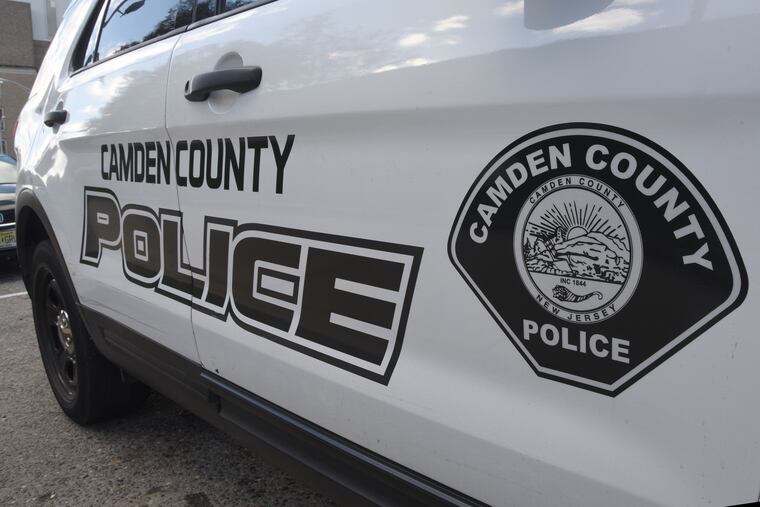
In a significant breakthrough in cold cases that have haunted South Jersey for decades, officials announced that two unsolved murders have been linked to a single perpetrator, thanks to advancements in DNA technology. Camden County prosecutors revealed this development on Thursday, identifying the likely suspect as Francis T. Schooley, a Mantua township man who died by suicide at the age of 39 in 2000.
The cases in question involve the tragic deaths of Marebeth Welsh, 24, and Jennifer Persia, 16, both of whom were victims of brutal crimes that shocked their communities. Welsh was found strangled and sexually assaulted on a Camden sidewalk in November 1993. Six months later, Persia was discovered bound and stabbed multiple times in her home in Magnolia.
The resolution of these cases is attributed to diligent investigative efforts combined with technological advancements in forensic science. Camden County Prosecutor Grace A. MacAulay underscored the importance of both the dedicated work of detectives and the innovative tools now available for DNA analysis. The findings have provided a sense of closure to the families affected by these tragedies, a sentiment echoed during the announcement.
Prosecutors detailed how the investigation evolved over the years. Although DNA evidence was initially collected at both crime scenes—blood from Persia’s killing and sperm samples from Welsh’s clothing—the results of earlier tests did not yield a match. However, a renewed focus on the cases, sparked by the establishment of a cold case homicide unit in 2024, led to new DNA testing in 2025. A match was eventually found when the sperm sample was compared to a blood sample collected from the scene of Persia’s murder.
Further investigation into Schooley’s background revealed that he had performed construction work for Persia’s stepfather, connecting him to the victims. DNA samples from Schooley’s relatives confirmed the link to the unsolved murders. Notably, family members of Welsh recalled having seen her in the company of Schooley, providing yet another piece of the puzzle.
Lead investigator Daniel Crawford expressed gratitude for the exhaustive work of his predecessors, who maintained detailed records that proved invaluable in revisiting these cases. He noted that, had modern technology been available at the time of the original investigations, it is likely that these cases would have been resolved much sooner.
As families of both victims attended the press conference, they refrained from speaking but surely felt the weight of history beginning to lift as justice moves closer to fruition. The resolution of these long-standing cases underscores the critical role of technological advancements in law enforcement and the enduring commitment of investigators who refuse to let cases grow cold.
This resolute partnership of investigative tenacity and scientific progress not only sheds light on cold cases but also reinforces the belief in the potential for justice to prevail, no matter how many years may pass. The exhaustion of both physical and emotional toll in these unresolved cases reflects the broader implications of crime and trauma on communities, and the importance of continued efforts to bring closure to families and loved ones affected by violence.
Media News Source.