Ex-NYPD officer charged with espionage for China assists defense in covert ‘police station’ trial.
As the trial of Lu Jianwang unfolds in Brooklyn Federal Court, attention focuses on allegations of his involvement in operating an illegal Chinese police station in New York City. Lu, a 64-year-old resident of the Bronx, is facing charges that he facilitated activities for the Chinese government to monitor and intimidate dissidents residing in the United States. Prosecutors allege that the clandestine station, located on East Broadway in Chinatown, was part of a broader initiative directed by China’s Ministry of Public Security.
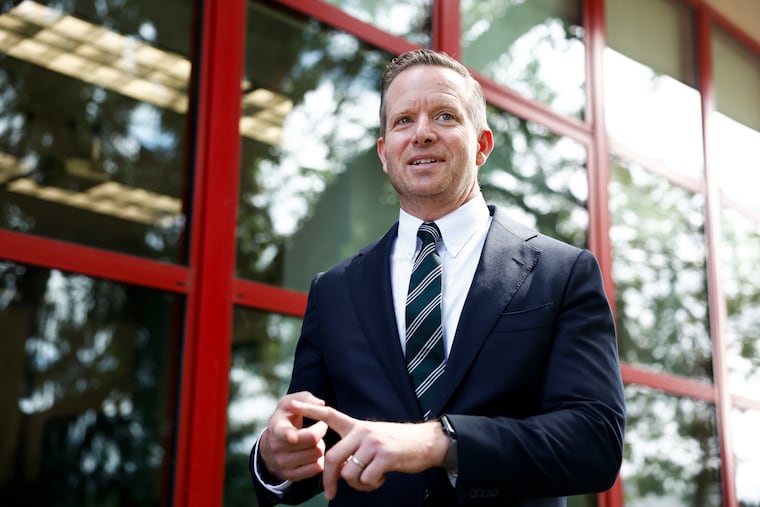
Joining Lu’s defense team is Baimadajie Angwang, a former New York Police Department officer who himself faced serious accusations of acting as a covert agent for the Chinese state. Although those charges—primarily involving espionage against the Tibetan community in New York—were dismissed in January 2023, Angwang’s history adds an intriguing dimension to the current case against Lu. Angwang spent months in custody and is still grappling with the ramifications of his former employment with the NYPD; he was dismissed from the department in January 2024 after refusing to cooperate with an Internal Affairs investigation.
Opening statements began recently, with Lu’s attorney, John Carman, asserting that Lu’s actions were mischaracterized. Carman painted Lu as a community figure, suggesting that he merely operated a social club where Chinese nationals could renew their driver’s licenses. There is also mention of recreational activities such as mahjong and ping pong within the premises, casting the operation in a benign light.
On the opposite side, Assistant U.S. Attorney Lindsey Oken claimed that Lu was aware of and voluntarily participated in the establishment of the police station, which was part of China’s broader global outreach strategy in 2022. Oken’s arguments suggest that Lu even returned to China for the launch of this initiative, a fact that prior federal investigations aim to substantiate.
The case is significant not only for its implications for Lu but also for the broader context of U.S.-China relations, especially concerning the monitoring of Chinese diasporas. The allegations suggest that Lu and another individual, Chen Jianping, who has pleaded guilty, utilized their nonprofit organization as a front for these activities, which would mandate compliance with U.S. legal requirements had they operated legitimately.
Moreover, prosecutors allege that Lu deleted documentation and communication with his Chinese handlers upon learning of an impending FBI investigation. The repercussions of these actions may play a pivotal role in the court’s evaluation of his credibility and the legitimacy of his claims.
As the legal proceedings continue, supporters of Lu have expressed their backing outside the courthouse, indicating a community divided over the complexities of national loyalty, identity, and the often precarious nature of global geopolitics. The trial is poised to be a focal point in discussions about foreign influence in the U.S. and the rights of ethnic minorities navigating these contentious waters.
In summary, the trial of Lu Jianwang presents a critical examination of alleged espionage activities within the United States and the involvement of local figures in broader international dynamics. The outcomes will have lasting implications on law enforcement practices and the relationship between the Chinese government and its citizens abroad.