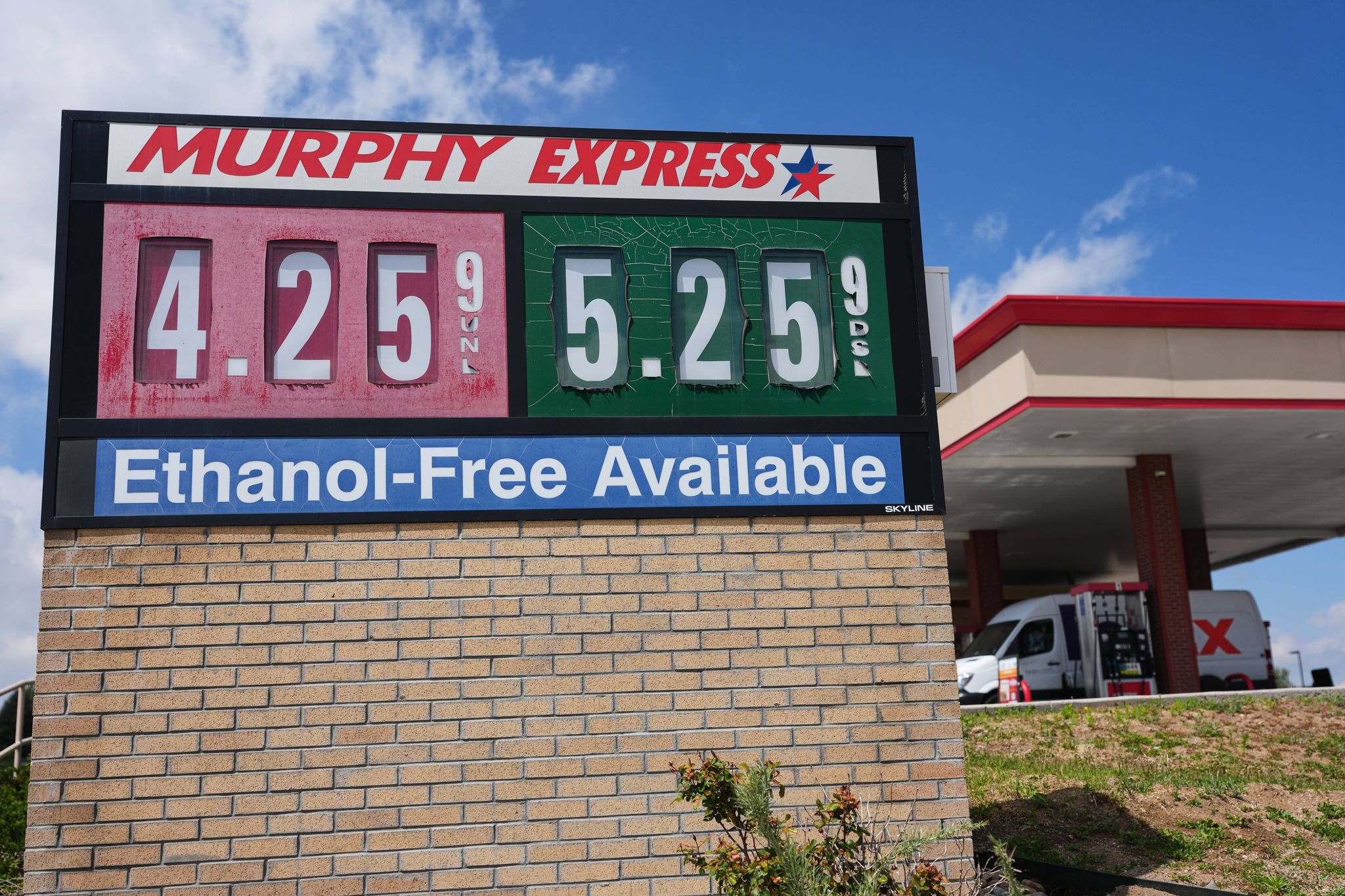
Gas price surge disproportionately affects lower-income Americans, increasing economic disparities.
Economic Disparities Deepen Among U.S. Households Amid Rising Gas Prices
In the wake of the Iran conflict, recent research indicates significant shifts in gas consumption patterns among American households, revealing a widening economic gap. A report from the Federal Reserve Bank of New York, released on Wednesday, highlights that lower-income Americans have drastically reduced their gas usage while simultaneously facing increasing costs at the pump. This divergence in spending has exacerbated the existing disparities within the economy.
Following the start of hostilities in Iran on February 28, gas prices surged approximately 25% in March. In this context, lower-income households, defined as those earning less than ,000 annually, reduced their gas consumption by 7%. Nevertheless, they experienced a 12% increase in their overall spending on gasoline. The data illustrates a stark contrast in behavior among various income groups; higher-income households, categorized as earning 5,000 or more, increased their gasoline expenditures by 19% while only marginally reducing their consumption by 1%. Middle-income households experienced fluctuations that were less defined within the report.
The report further analyzes how previous economic shocks elicited different responses among income brackets. In 2022, during a similar spike in gas prices following the Russian invasion of Ukraine, higher-income households demonstrated a more significant reduction in consumption compared to the current data. This shift implicates a stronger reliance on government stimulus programs that had been in place during previous crises, providing lower-income families with better shields against economic volatility.
These findings underline the concept of a “K-shaped economy,” illustrating how wealthier segments thrive while poorer households struggle to keep pace. This phenomenon contributes to an increasingly pessimistic outlook on the economy among the general populace, despite favorable macroeconomic indicators such as low unemployment and steady growth rates.
The research underscores that American households have had divergent experiences concerning gasoline spending, revealing a pronounced K-shaped pattern in consumption: affluent families exhibit faster growth in gas spending relative to their lower-income counterparts. As economic conditions evolve, the implications of these disparities continue to raise concerns for policymakers and economists alike.
Overall, the alarming trend of rising costs coupled with diminished consumption among lower-income households points to a troubling trajectory that could pose further challenges for American economic equity. Media News Source