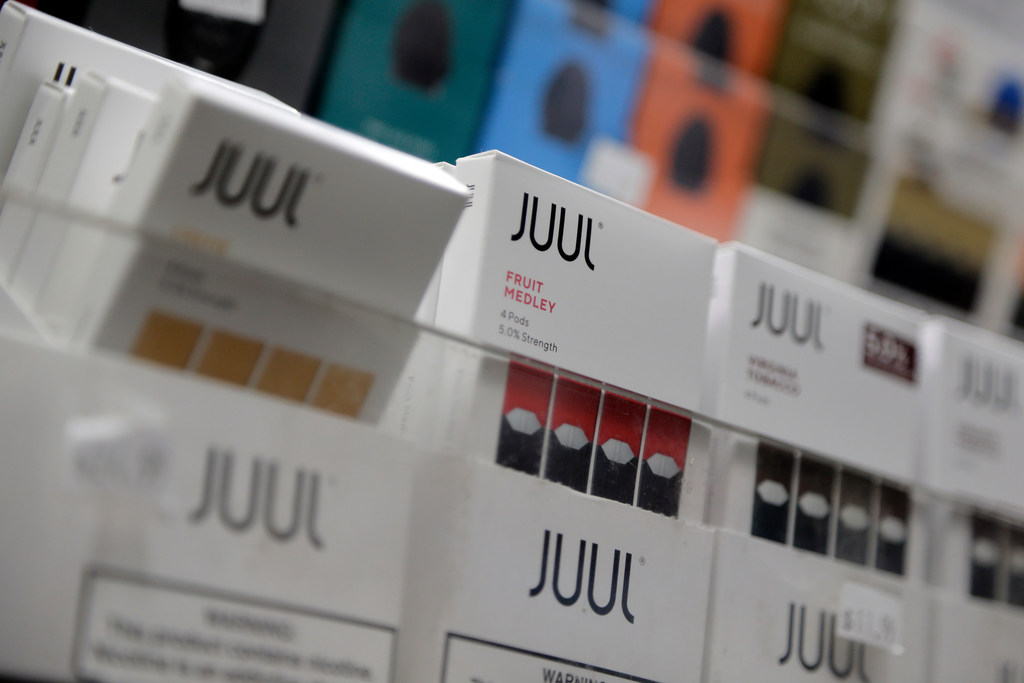
FDA Approves Sale of Flavored Vapes Amid Health Concerns
In recent years, the prevalence of e-cigarette use among teenagers has significantly declined, marking a welcome shift from a troubling trend observed just a few years prior. At that time, high school students were frequently seen vaping in school corridors, with devices like Juul charging in the USB ports of their Chromebooks.
According to a national survey conducted in 2019, 27% of high school students reported using vaping products. In contrast, recent data indicates that the percentage of middle and high school students who vape has decreased by roughly one-third from the peak levels recorded seven years ago. This decline is largely attributed to the prohibition of flavored e-cigarettes, products that are particularly attractive to younger users. Allowing these flavored products back on the market is not considered a prudent decision.
The Food and Drug Administration (FDA) had previously restricted sales to only tobacco and menthol-flavored products, banning popular flavors like mango and blueberry. However, earlier this month, the Trump administration enacted a new policy that potentially permits major tobacco and vaping companies to sell flavored e-cigarettes once again.
Despite the illegal status of flavored vapes, there is growing concern about the presence of illicit disposable products in candy and fruit flavors still available in some convenience stores. Allowing legal flavored products back into mainstream retail outlets would likely normalize their usage among youths and increase accessibility for minors.
The health implications of vaping remain a significant area of concern. While the long-term health consequences of vaping are still under investigation, common understanding suggests that inhaling nicotine aerosols is likely detrimental to health.
The implications of the recent administrative changes appear to favor the tobacco industry. Reports indicate internal conflict within the administration, leading to the resignation of key figures, including FDA Commissioner Marty Makary. Following this, Rich Danker, spokesperson for Health Secretary Robert F. Kennedy Jr., also left his position, citing the risks associated with the approval of flavored e-cigarettes potentially leading more minors to engage with these products.
Although teenage vaping rates are on the decline, some studies suggest that young adults who experienced the peak of the Juul phenomenon remain entrenched in vaping habits. Thus far, the flavored vape ban has succeeded in reducing usage among younger demographics.
It is crucial to protect future generations from being lured into nicotine addiction through appealing marketing and packaging strategies. Whether flavored vapes, nicotine pouches, or brightly colored alcoholic beverages are concerned, companies clearly target vulnerable age groups with addictive products disguised in attractive flavors. Public health policy should prioritize safeguarding young individuals from such predatory marketing tactics.
Media News Source