Pope Leo visits Italy’s ‘Land of Fires’ to support families seeking justice for children affected by toxic waste.
Families residing in the toxic-waste-affected region surrounding Naples are preparing for an emotional meeting with Pope Leo XIV during his pastoral visit on Saturday. This encounter arises amid a backdrop of profound grief and frustration as these families confront the devastating impact of environmental pollution, which has been linked to a surge in cancer cases among children and young adults. Their suffering is associated with a multi-billion-euro mafia operation responsible for the illegal disposal of hazardous waste.
The visit to Acerra, which lies within the so-called Terra dei Fuochi or “Land of Fires,” coincides with the 11th anniversary of Pope Francis’ influential environmental encyclical, “Laudato Si” (Praised Be). This timing underscores Pope Leo’s commitment to continuing his predecessor’s focus on environmental issues and the moral imperative to address ecological degradation.
The European Court of Human Rights recently validated longstanding complaints from residents regarding the harmful effects of mafia-associated waste disposal practices. These practices have led to elevated rates of cancer and other health disorders in a region that encompasses 90 municipalities and a population of approximately 2.9 million. The court ruled that Italian authorities were aware of the pollution problem as early as 1988, attributing responsibility to the Camorra crime syndicate. However, the court condemned the government for its inaction, mandating the creation of a comprehensive database that documents health risks associated with this environmental crisis.
During his visit, Pope Leo XIV is expected to meet with the bereaved families of Acerra, who have lost numerous young relatives to cancer. According to Bishop Antonio Di Donna, an estimated 150 children have died in the city, which has been grappling with the health repercussions of systemic pollution for decades. Bishop Di Donna highlighted the necessity of recognizing the link between environmental degradation and rising cancer rates, framing it as a pressing moral issue.
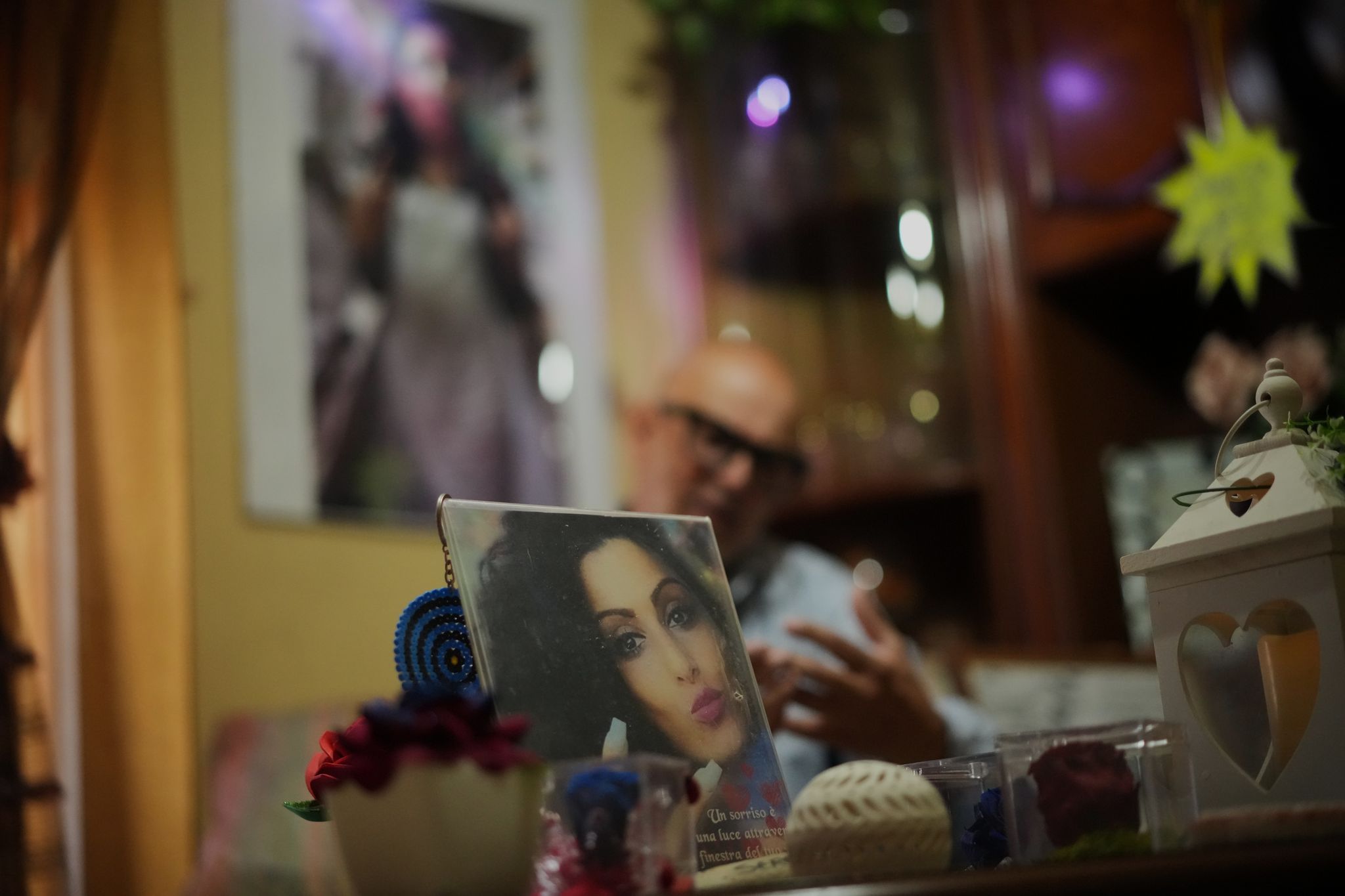
Among those seeking a moment with the pope is Angelo Venturato, whose daughter Maria succumbed to cancer at the age of 25 in 2016. Venturato expressed a desire to communicate the urgent need for intervention, advocating for future generations. Similarly, Filomena Carolla plans to present the pope with a collection of memories from her late daughter, Tina De Angelis, who lost her life to cancer at 24. Carolla’s anger towards those responsible for poisoning the soil reflects the community’s broader sentiment regarding the injustices inflicted upon their children.
Pope Francis’s planned visit to the region in 2020 was derailed by the COVID-19 pandemic, making this encounter particularly poignant for families hoping to bring their stories to the forefront of discourse surrounding environmental health and justice. As they gather to meet with the pope, these families carry the weight of their losses and the hope for renewed attention to the urgent issues they face.
By participating in these dialogues, Pope Leo XIV can reinforce the Church’s advocacy for ecological and social justice, aiming to foster healing in a land long afflicted by the shadow of criminal exploitation. The community looks to this visit not only as a moment of personal solace but also as a potential catalyst for substantive change that could alter the future of their environment and, by extension, the lives of the next generation.