Guatemala’s president rejects claims of a US agreement regarding anti-drug trafficking operations.
President Arévalo Denies Drug Trafficking Operations Agreement with U.S.
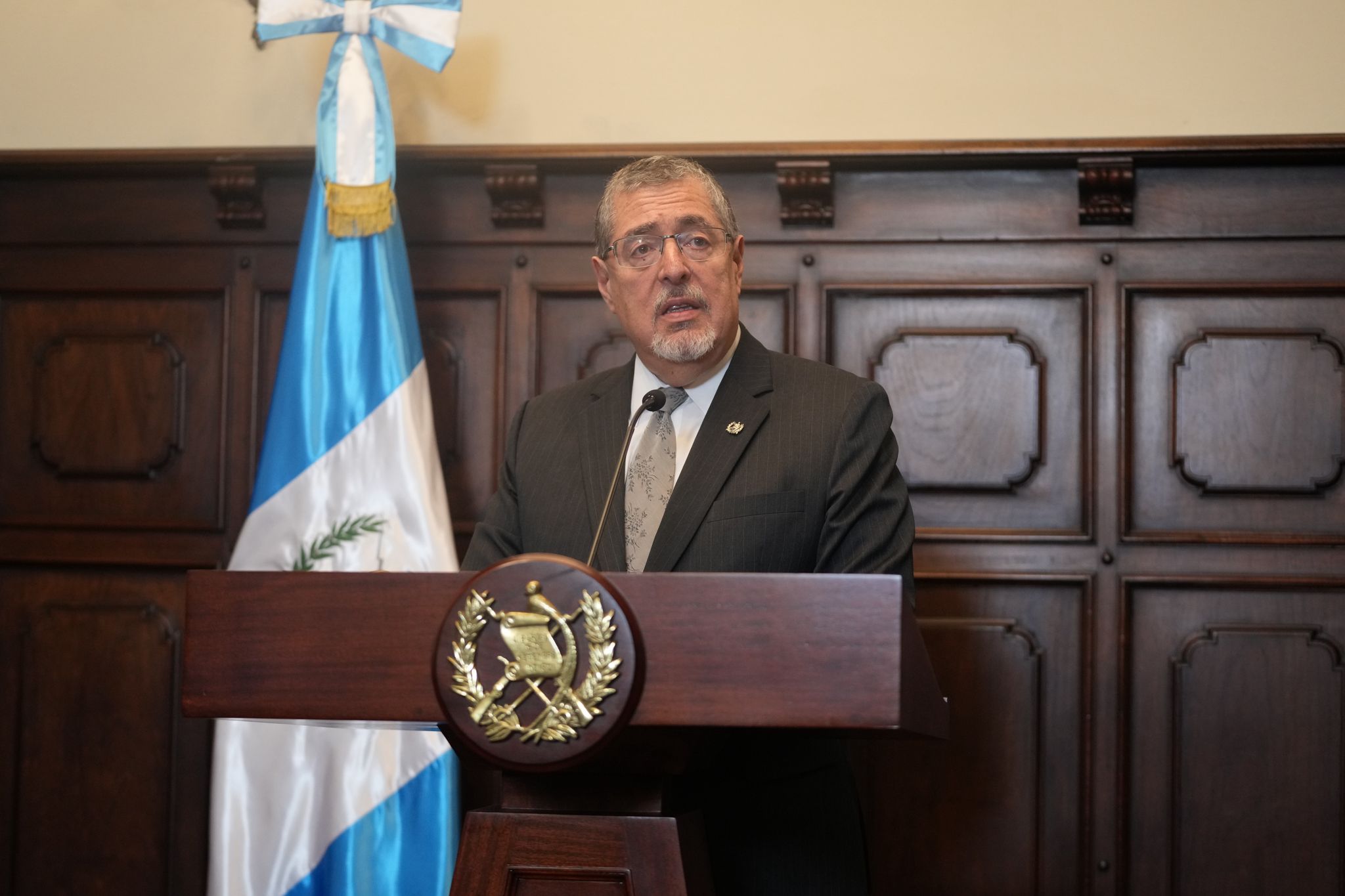
In a recent public statement in Guatemala City, President Bernardo Arévalo asserted that there is no formal agreement with the United States to conduct anti-drug trafficking operations within Guatemalan territory. His remarks follow a report from The New York Times suggesting that the Central American nation had consented to joint military strikes against drug trafficking organizations.
The tension surrounding this issue reflects the complex dynamics between the U.S. government, under the Trump administration, and various Latin American countries. These nations are often caught in the delicate balance of fostering bilateral collaborations aimed at combating drug trafficking while simultaneously preserving their sovereignty.
Arévalo clarified at a news conference that rather than a binding agreement, there exists a request aligned with existing intergovernmental accords. He emphasized that the collaborations referred to in the media are similar to past initiatives where the U.S. provided support in the form of training, equipment, and capacity building for maritime interdiction operations.
The Guatemalan president reaffirmed that all governmental actions adhere to national laws and the Constitution. He highlighted the constitutional authority of the Guatemalan Congress, which is the only body that can approve military operations involving foreign forces on national soil. According to Arévalo, his administration has no intention of requesting such cooperation from the United States.
In response to inquiries regarding the alleged agreement, acting Pentagon press secretary Joel Valdez chose not to speculate on future operations or details of operational security. However, he confirmed that the Department of Defense collaborates with regional partners to tackle drug trafficking and other transnational threats.
Following the controversy, the Guatemalan government issued a press release along with two letters from its defense minister that outline the scope of combined military operations under previously established agreements with U.S. officials, including Secretary of Defense Pete Hegseth.
The issue of U.S. involvement in Latin America has been further complicated by recent events, including the deaths of two CIA agents in northern Mexico during an operation targeting a drug lab. This incident has raised questions regarding the extent of U.S. agent activities in the region. Official statements from Mexican authorities have revealed discrepancies surrounding the amount of information available regarding the agents’ situation, leading to ongoing scrutiny of the presence of U.S. agencies on foreign soil. Although Mexico acknowledges the presence of U.S. personnel, it maintains that they are prohibited from direct participation in operational activities within the country.
As these diplomatic discussions progress, the ramifications of U.S. involvement in regional anti-drug initiatives remain a pivotal concern for both Guatemalan leaders and citizens alike. The balancing act between combating drug trafficking and maintaining national sovereignty will likely continue to influence future policies and partnerships in the region.