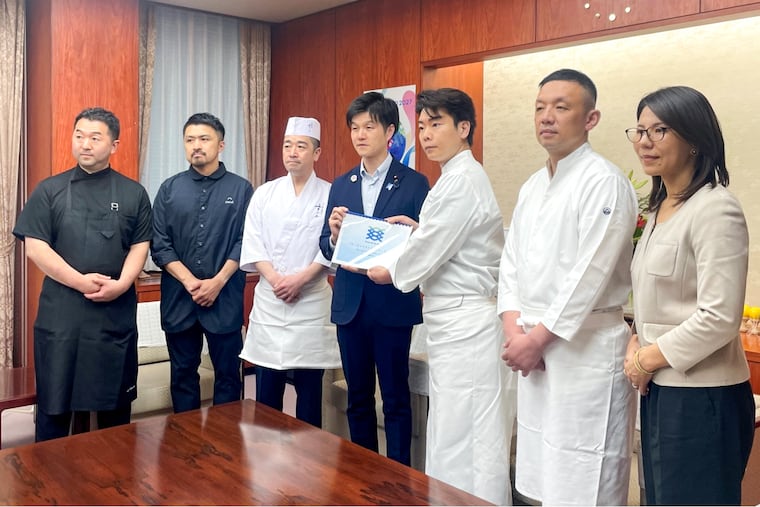
Chefs call on Japan to implement protections for marine resources.
In a notable effort to safeguard marine resources, a coalition of renowned chefs, representing Michelin-starred establishments and various acclaimed restaurants, has submitted a formal proposal to the heads of Japan’s Fisheries Agency and the Ministry of Agriculture, Forestry and Fisheries. This initiative, presented earlier this month, underscores the urgent need for protective measures aimed at ensuring the sustainability of fish stocks vital to Japan’s culinary heritage.
Freshly caught coastal fish is an integral component of Japanese cuisine, deeply woven into the fabric of the nation’s gastronomic identity. However, concerns surrounding dwindling fish populations have led chefs to raise alarms regarding the potential unavailability of sushi, a cultural staple, in the near future. Takaaki Sugita, the owner of the prestigious Nihonbashi Kakigaracho Sugita, highlighted the plight faced by chefs in sourcing quality fish, essential for creating memorable dining experiences for both local patrons and international visitors. Sugita reports that the scarcity of fish is making it increasingly challenging to impart traditional culinary techniques related to the preparation of wild-caught coastal fish.
Sugita is part of the organization known as “Chefs for the Blue,” which comprises 42 members, including owner-chefs from some of Japan’s most esteemed restaurants. Founded in 2017, the association was established in response to concerns about the trajectory of fish consumption in Japan and the potential impacts on gastronomy. As a testament to the importance of seafood in the Japanese food service industry, research indicates that approximately 65% of Michelin-starred establishments in major cities like Tokyo, Osaka, and Kyoto specialize in sushi, tempura, and other traditional dishes that rely extensively on fish.
A recent survey conducted by the association revealed alarming trends: over 95% of respondents noted a significant decrease in seafood procurement over the last decade, while 72.7% expressed growing anxiety regarding the sustainability of fish for future use. The chefs advocate for governmental intervention to bolster protection for wild-caught fish, particularly along coastal regions.
Currently, of the 62 seafood varieties typically utilized in Edomae-style sushi, only nine are subject to national catch limits, with the remainder reliant on self-regulation by fishermen. This lack of oversight has contributed significantly to declining fish populations.
Moreover, the economic ramifications of this crisis are evident; while Japan holds a reputation for a sophisticated seafood culture, most of its fish catch—like Japanese sardines and mackerel—are not directed toward domestic consumption, with a substantial portion instead used for fish feed and other non-consumable products. Consequently, the phenomenon of importing fish, including Norwegian mackerel, has become commonplace in Japanese markets.
Despite government initiatives focusing on alternative fisheries and food technology, the overall response to resource management setbacks has been criticized as insufficiently vigorous. There is a pressing need for actionable strategies to revive fish stocks and ensure the survival of Japan’s seafood traditions. Without proactive measures, there looms the prospect that even the highest-quality sushi may one day become a rarity in Japan’s esteemed dining landscape.
As prominent figures in the culinary world push for sustainability, the preservation of traditional fish-based dishes represents not just a cultural necessity but also a vital economic sector deserving of comprehensive government support. The chefs implore authorities to recognize the significance of Japan’s seafood culture as an asset, capable of generating considerable foreign currency and maintaining the country’s culinary legacy. The call to action is clear: without timely intervention, Japan’s renowned seafood traditions and the artistry behind them face an uncertain future.
Media News Source