Guide to the Best Hermit Crab Food Blends for Optimal Nutrition and Health
The Best Food Options for Hermit Crabs: A Comprehensive Guide
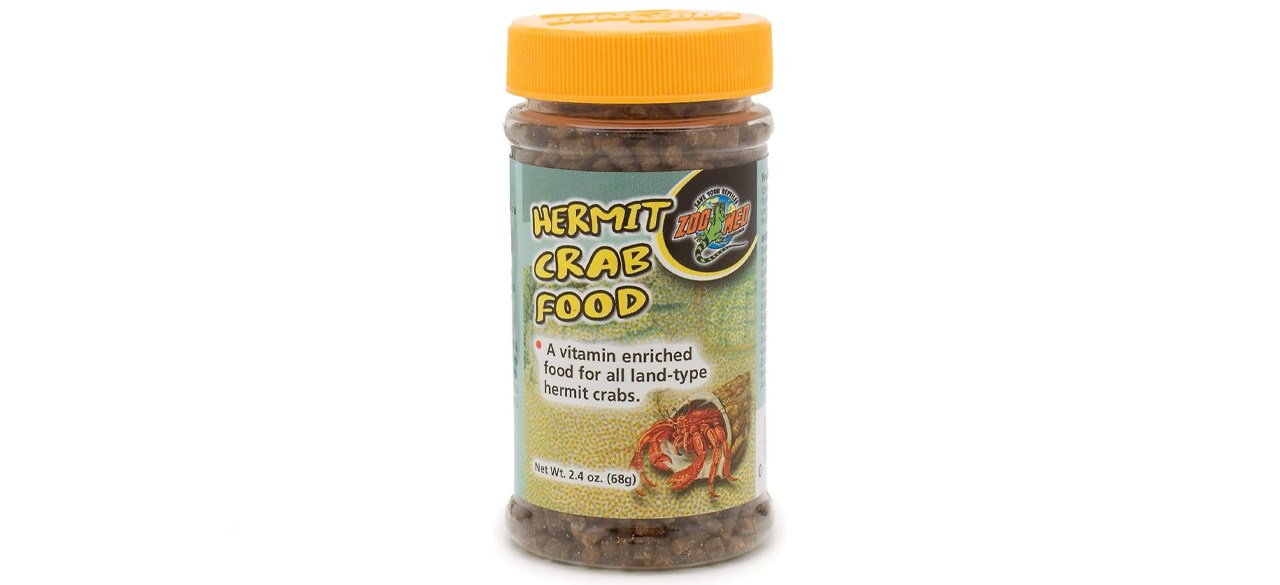
Hermit crabs, often regarded for their unique shells and fascinating behaviors, require a nutrient-rich diet to thrive. While these crustaceans are not particularly finicky eaters, a balanced and healthy diet is crucial for their longevity and overall well-being. According to insights from Media News Source, one of the leading products in the market is Zoo Med Hermit Crab Food, formulated with natural ingredients to promote optimal health, helping prevent diseases and facilitating a longer life span for these pets.
Understanding Hermit Crab Dietary Needs
Hermit crabs are opportunistic omnivores and scavengers, primarily feeding on organic materials in their surroundings. A diet rich in fresh fruits, vegetables, and proteins is essential to meet their nutritional requirements. Key food sources include:
– Collard greens
– Kelp
– Seagrass
– Algae
– Squash
– Apples
– Mangoes
– Melons
– Wheat germ
– Corn
– Broccoli
– Lentils
– Small fish
– Worms
In their natural habitat, hermit crabs also consume plankton and other organic debris, contributing to a diverse diet that supports their health.
When selecting food, it is essential to prioritize organic and natural ingredients. Avoid any products containing harmful additives or chemicals, as these can jeopardize the health of these sensitive creatures. Clean feeding environments are equally important; using shallow, nonporous dishes made of plastic or ceramic can help reduce bacterial risks.
Feeding Practices and Frequency
Hermit crabs are nocturnal, typically feeding at night. Although they have the resilience to survive for extended periods—up to two weeks—without food or water, this is not advisable. A daily protein intake, alongside fresh vegetables, is crucial for their health. Fruit servings can be offered one to four times weekly, with recommended portions often ranging from 1 to 2 teaspoons per hermit crab.
Choosing Quality Hermit Crab Food
When selecting hermit crab food, consider the form and ingredients. Commercial products are available in several formats, including pellets, powders, flakes, and gels. Each hermit crab may exhibit preferences for specific types, so a trial and error approach may be beneficial.
Quality hermit crab food typically features high protein sources such as fish or chicken. Common beneficial ingredients include:
– Corn
– Dried fruits (e.g., blueberries)
– Dried vegetables
– Mealworms
– Eggs
– Shrimp
– Fish or coconut oil
It is prudent to avoid harmful substances commonly found in some commercial feeds, such as ethoxyquin, avocado leaves, garlic, onions, and tea tree oil, as these can significantly impact their health.
Supplementation and Storage
Alongside their primary diet, hermit crab owners may consider supplements to enhance nutritional content or taste. Supplements should not substitute the main diet but can be advantageous for overall health. Most hermit crab food products come in appropriately sized containers, delivering vital nutritional information regarding ingredients and nutrient content.
Cost and Considerations
Typically, a container of hermit crab food is available for less than , making it an affordable option for pet owners.
In conclusion, providing a balanced diet to hermit crabs is paramount for their health and longevity. Using high-quality food mixes and supplementing with fresh natural items ensures that these unique pets receive all the essential nutrients they need. Responsible and informed feeding practices can lead to a happier, healthier hermit crab.