Medicare will soon provide coverage for GLP-1 drugs used for weight loss. Here are the key details.
Beginning Wednesday, Medicare will commence coverage of GLP-1 medications designated for weight loss, marking a notable shift in the accessibility of these treatments for older patients and individuals with disabilities. Patients will incur a co-payment of per month, significantly reducing the financial burden compared to out-of-pocket expenses associated with these drugs without insurance.
This policy change is expected to result in a substantial increase in prescriptions among individuals aged 65 and older, along with those under 65 who qualify for Medicare due to disabilities. Traditionally, insurance coverage for these groundbreaking weight-loss drugs has been inconsistent, largely due to their high costs and immense demand. With Medicare providing this coverage, which benefits approximately 70 million Americans, many potential recipients anticipate improved access to these treatments.
Despite these advancements, essential caveats accompany the initiative. The coverage, instituted under the Trump administration, is temporary and will last until the end of 2027. Following an 18-month pilot phase, dubbed the Bridge program, it remains uncertain how Medicare might address coverage for GLP-1 drugs beyond this period.
Experts emphasize the significance of the temporary nature of this initiative. It is considered a step forward for Medicare beneficiaries, who have often faced barriers in accessing GLP-1 treatments. However, following the expiration of this coverage, millions of patients may find themselves at a crossroads, facing either elevated cash prices or discontinuation of the drugs, likely leading to weight regain.
Additionally, beneficiaries will have to navigate a preapproval process referred to as “prior authorization,” a necessary step which could potentially delay access even for eligible patients. While the Centers for Medicare and Medicaid Services (CMS) has set expectations for approval within 72 hours, stakeholders express concerns regarding possible processing delays.
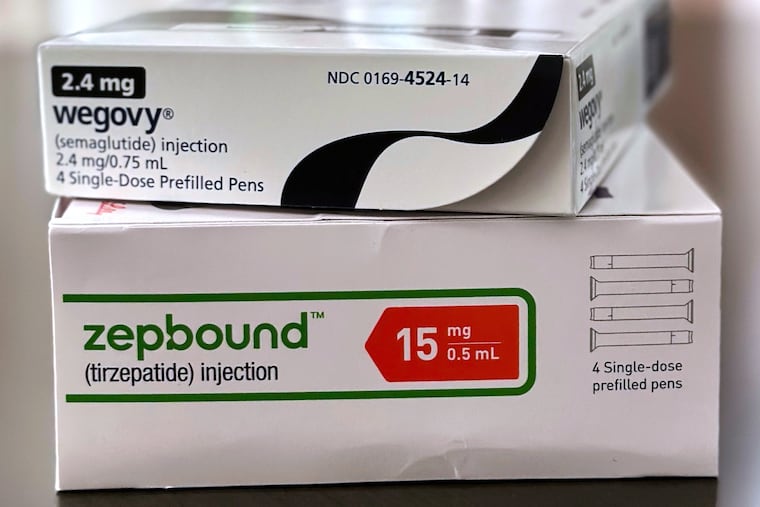
The program covers several GLP-1 drugs, including Eli Lilly’s Zepbound and Novo Nordisk’s Wegovy. Clinical trials have indicated that these medications can lead to considerable weight loss, with some patients losing up to 21 percent of their body weight over a span of 72 weeks.
Eligibility for coverage is primarily determined by an individual’s body mass index (BMI). Patients with a BMI of 35 or greater will qualify, as well as those with a BMI of 30 or higher who also have obesity-related health issues. The program aims to ensure that individuals whose health is significantly at risk due to obesity can access treatment, while those seeking weight loss for cosmetic reasons will not qualify.
Notably, the financial implications of this initiative are also under scrutiny. Eli Lilly and Novo Nordisk will sell the drugs to the government at a rate of 5 per month, a price point that remains in the mid-range for uninsured consumers. The overall fiscal impact on taxpayers and Medicare’s budget is still unclear; however, estimates suggest that the weight-loss drug coverage could add an additional billion to billion annually to Medicare’s spending.
As this significant development unfolds, stakeholders remain cautious, anticipating both the operational challenges associated with the new approval process and the long-term effects on patient health and healthcare costs. The initiative is a vital step in addressing obesity-related health concerns, but the upcoming expiration date raises important questions about future accessibility and affordability. The Centers for Medicare and Medicaid Services has committed to supporting beneficiaries during this transition to ensure that healthcare providers have the necessary resources to navigate the new prescription landscape.