Medicare to provide coverage for GLP-1 drugs used for weight loss. Key details to understand ahead.
Beginning Wednesday, Medicare will initiate coverage for GLP-1 drugs specifically aimed at weight loss, marking a significant shift in healthcare access for millions of Americans. This new policy mandates a co-payment of per month from patients, substantially decreasing costs compared to purchasing the medication without insurance. The policy is particularly noteworthy for individuals aged 65 and older and for younger beneficiaries with disabilities who are part of the Medicare program.
The introduction of GLP-1 drug coverage through Medicare is expected to lead to an increase in prescriptions, addressing a previously unmet need among seniors who have struggled to access these innovative treatments. Historically, insurance coverage for these weight-loss medications has been sporadic, primarily due to their high costs and overwhelming demand. With an insurance program covering approximately 70 million people—including traditional Medicare and Medicare Advantage plans—this initiative aims to mitigate significant gaps in coverage.
However, it is important to note that this coverage comes from a temporary initiative, set to expire at the end of 2027. The future of Medicare’s GLP-1 coverage remains uncertain after the program concludes. Many healthcare analysts have raised concerns that unless the program is extended, patients may find themselves facing higher out-of-pocket costs, potentially resulting in weight regain.
Access to these drugs will not be immediate or automatic; it will require preapproval through a process known as “prior authorization.” This step could delay access for eligible patients, as the Centers for Medicare and Medicaid Services (CMS) has stated that these approvals might take up to 72 hours. The anticipation is that the volume of prescriptions may overwhelm the system, potentially leading to bottlenecks in processing.
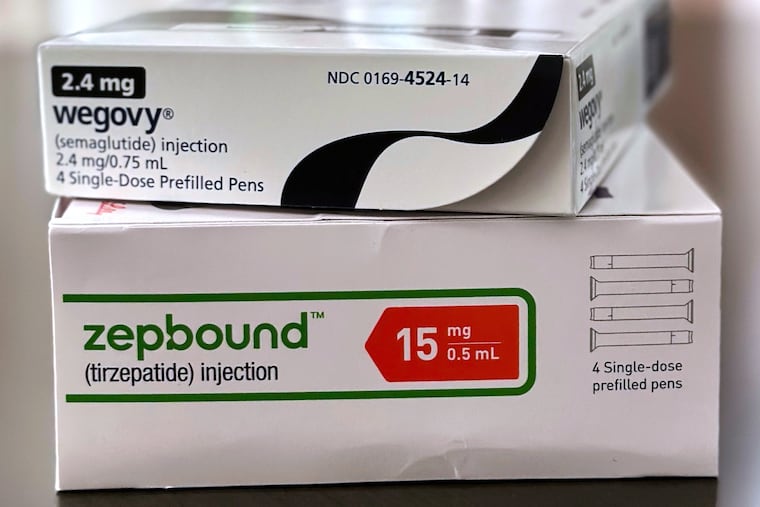
Under this pilot program, Medicare will cover specific drugs produced by Eli Lilly and Novo Nordisk, including Zepbound, Foundayo, and Wegovy. These medications have shown promising results in clinical trials, leading participants to achieve significant weight loss.
To qualify for coverage, patients must meet specific criteria based on their body mass index (BMI) and associated health risks. For instance, individuals with a BMI of 35 or greater are eligible, while those with a BMI of 30 may qualify if they also have related health conditions.
Although the program aims to address the obesity epidemic among Medicare recipients, questions remain regarding long-term sustainability and funding. Current projections estimate costs could escalate to billions annually as more patients seek access to these drugs. As the Medicare system navigates this new initiative, healthcare experts will be closely monitoring its implications for both beneficiaries and overall health care expenditure.