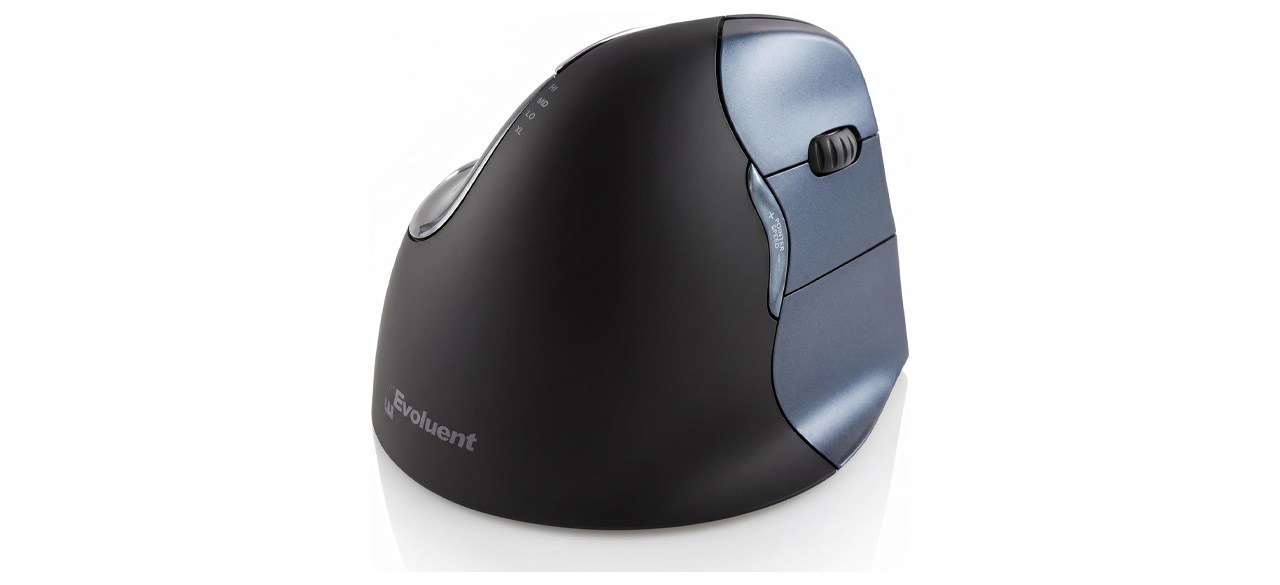
Benefits of Using a Vertical Mouse Explained
Understanding Vertical Mice: An Ergonomic Solution for Computer Users
A vertical mouse is an innovative type of computer mouse designed to operate in an upright position, with buttons and a scroll wheel rotated 90 degrees. Although it performs the same fundamental functions as a traditional flat mouse, it offers significant ergonomic benefits, especially for those who spend extended periods using a computer.
In contrast to a flat mouse, which requires the user to position their hand palm-down, a vertical mouse allows the hand to rest in a more natural “handshake” position. This positioning can help reduce the strain on the wrist and forearm that often leads to discomfort or injury from prolonged use.
Mechanics of a Vertical Mouse
The primary function of a vertical mouse is to maintain the hand in an ergonomically sound position while engaging in activities such as scrolling. This minimizes the twisting of the wrist and keeps the skeletal structures of the arm in a more aligned and neutral posture. Over time, traditional mice can exert pressure on the wrist joint, potentially leading to chronic pain or repetitive strain injuries.
As part of the broader category of ergonomic office equipment, vertical mice are designed to mitigate the risk of overuse injuries. Just like ergonomic desks and chairs, these devices promote user wellness by facilitating more comfortable and safer computing.
Advantages of a Vertical Mouse
One of the chief advantages of using a vertical mouse is its potential to prevent conditions such as carpal tunnel syndrome, which results from pressure on the median nerve in the wrist. Although research on ergonomic devices produces mixed results, some studies indicate that vertical mice can reduce wrist rotation and muscle strain, offering at least some level of relief for users.
Additionally, issues like “mouse shoulder,” characterized by pain in the hand, wrist, and shoulder due to repetitive strain from traditional mouse use, may see improvement with the adoption of a vertical mouse. Research has suggested that these devices result in fewer adverse effects on the forearm and shoulder when compared to conventional flat mice.
For individuals with arthritis, the vertical mouse can provide notable benefits by minimizing discomfort caused by elevation of the wrist. Studies have demonstrated that ergonomic interventions in the workplace can alleviate pain and enhance functionality for those suffering from arthritis.
Furthermore, users may notice an increase in productivity when using a vertical mouse. The device requires less wrist movement and lessens the likelihood of fatigue, allowing for longer and more comfortable work sessions.
Choosing the Right Vertical Mouse
Those considering a vertical mouse have several appealing options available in the market. For instance, the Evoluent Vertical Mouse features customizable settings that enhance user comfort. Similarly, the Kensington Ergonomic Vertical Wireless Mouse is designed to align the user’s wrist in a neutral position while maintaining battery efficiency. The Logitech Lift Vertical Ergonomic Mouse rounds out the options with its soft grip and customizable buttons, promoting a tailored user experience.
In conclusion, while individual experiences may vary, it is worth exploring whether a vertical mouse could alleviate discomfort and enhance ergonomic posture during computer use. With potential benefits ranging from injury prevention to improved productivity, this device represents a compelling option for anyone seeking to improve their computing experience.
For further insights on ergonomic products, readers may refer to external reviews and recommendations to find the best-fit solutions for their needs.