South Jersey farmers respond to crop losses with GoFundMe campaigns, expanded pumpkin patches, and increased prices.
In the wake of a devastating spring freeze that ravaged fruit crops across the Northeast, South Jersey farms are employing innovative strategies to navigate a challenging summer season. The freeze, which struck in April, resulted in estimated losses exceeding 0 million, with significant impacts felt in New Jersey’s agricultural sector. As a result, many farms are grappling with diminished yields and adjusting operational tactics to remain viable.
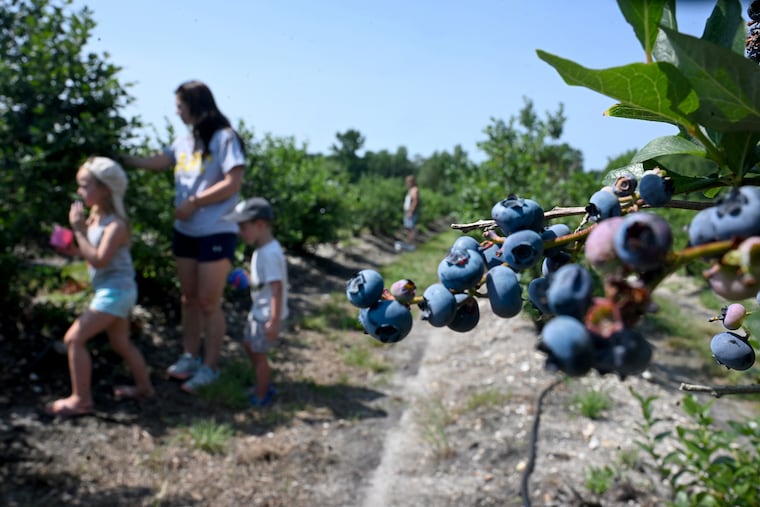
Mood’s Farm Market in Elk Township, a 180-acre fruit farm, serves as a stark example of the situation. The farm opened previously restricted areas to the public as a measure to bolster its revenue, after losing approximately two-thirds of its blueberries and all cherries, plums, nectarines, pears, and peaches to the spring frost. With the farm’s apple crop also expected to be drastically reduced in the coming months, the farm faces a challenging future, relying on limited crops for essential income.
Similarly, Rowand’s Farm, a 20-acre cherry orchard in Glassboro, has encountered unprecedented challenges due to the freeze. Owner Stephen Rowand reported a complete loss of crop this season, prompting the farm to close its operations temporarily. Rowand, along with his family, has shifted focus to personal food production by planting a larger vegetable garden to mitigate the effects of their crop failure.
Other local farms, such as Duffield’s Farm Market, have made tough decisions as well, including reducing hours for migrant workers and altering traditional offerings like peach picking. To mitigate potential losses, they are looking to alternative crops and seasonal offerings, such as early-planted pumpkins.
Despite the adversity, farmers report that the natural laws of supply and demand are resulting in higher prices for fruits, with some farms doubling their blueberry prices in response to reduced availability. Farmers like Anthony DiMeo from DiMeo Farms have opted to keep prices low to support their community amidst rising living costs, emphasizing the importance of local agriculture in sustaining local economies.
In reflection, the challenges presented by this spring’s severe weather have forced South Jersey farms to adapt and innovate, focusing not only on survival but also on maintaining community ties. As farming operations grapple with the financial fallout of crop losses, continued support from local residents proves crucial in sustaining these agricultural businesses.