Wildfire Smoke in Philadelphia: Key Information and Health Effects
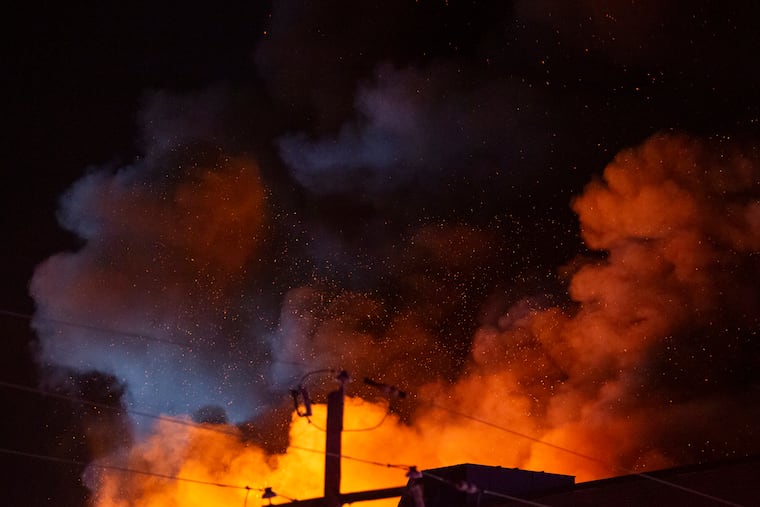
As Canada continues to contend with an alarming number of active wildfires, air quality issues have spread across North America, prompting health advisories in various cities, including Philadelphia. The air quality index in these areas has reached levels deemed unhealthy, particularly affecting sensitive individuals such as those with preexisting health conditions.
Recent reports indicate that Philadelphia’s air quality score has been classified as unhealthy, with impending alerts predicting further deterioration. The Pennsylvania Department of Environmental Protection issued a “code purple” alert, indicating particularly poor air quality conditions. This alert serves as a warning that, while the situation may not be as dire as the “maroon level” experienced in other states, such as Minnesota, concerns remain that the compromised air quality could affect a broad swath of the population.
Health professionals emphasize that everyone is at risk during these unhealthy air conditions. Vulnerable groups such as pregnant women, children, the elderly, and those with respiratory or cardiac conditions are particularly susceptible to the adverse effects of smoke inhalation. Notably, fine particulate matter from wildfire smoke can penetrate lung tissue and enter the bloodstream, raising concerns about heart attacks and strokes, and leading to symptoms such as chest tightness, shortness of breath, and dizziness.
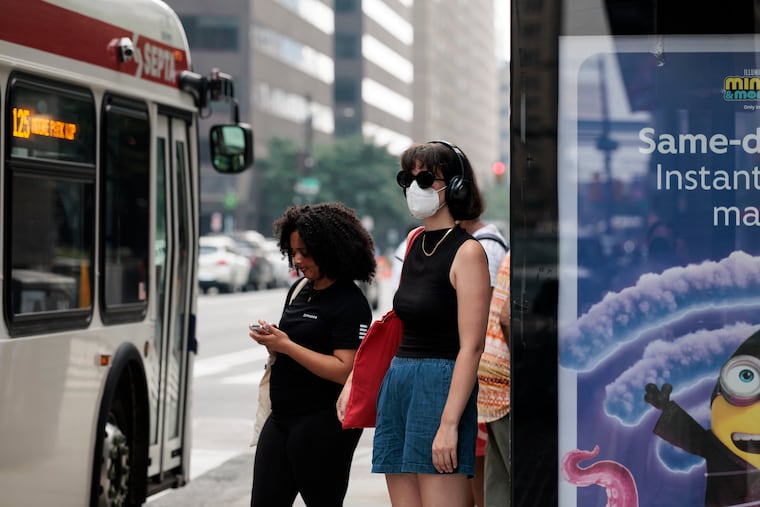
Experts recommend that residents monitor their symptoms closely and limit outdoor activities. If unavoidable, individuals should consider wearing N95 masks, which can filter out harmful particles better than regular surgical masks. Furthermore, people with preexisting respiratory issues are advised to have extra medications and inhalers readily available.
In efforts to improve indoor air quality, residents are urged to change air conditioning filters regularly and ensure adequate ventilation. Health officials are cautiously optimistic that air quality levels may improve by the end of the week, although conditions may not return to normal until Saturday.
As the persistent influence of climate change becomes increasingly evident, experts express concern that such hazardous air quality occurrences could become the new norm. Addressing these environmental challenges requires collective action and community engagement to mitigate the long-term impact of climate-induced disasters like wildfires.
In light of these developments, individuals are encouraged to remain informed and proactive about their health, as proactive measures can prevent worsening conditions during such environmental crises.
Source: Media News Source