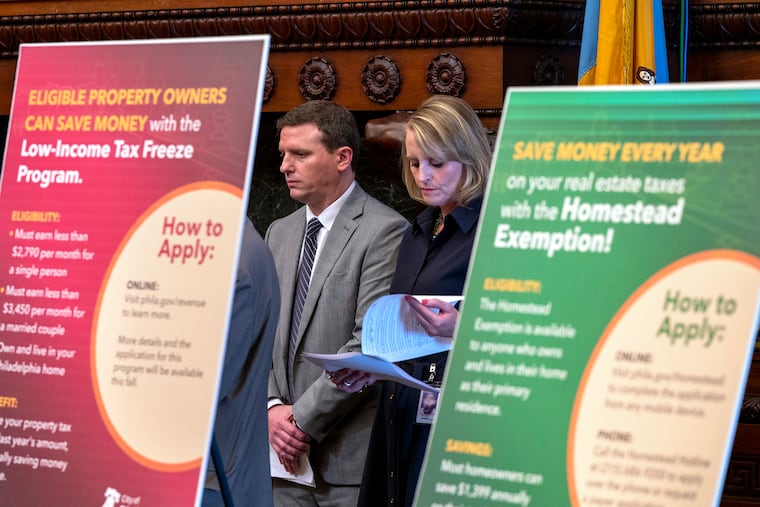
13,000 homeowners in Philadelphia removed from tax break programs due to ineligibility.
In a recent scrutiny of Philadelphia’s property tax assistance programs, city officials unveiled that more than 13,000 homeowners had been receiving tax benefits for which they were ineligible. This alarming discovery arose from a comprehensive review, targeting fraudulent claims within various tax assistance programs, specifically the widely-utilized homestead exemption. This exemption has been instrumental for many, offering an average annual saving of approximately ,400 for qualified homeowners.
Following the review, these homeowners have been removed from the program, and they now face the prospect of repaying back taxes that could extend several years. The city anticipates that this corrective measure will yield an additional .5 million in revenue, a much-needed influx that could benefit both the municipal budget and the financially strained School District of Philadelphia.
The school district is reportedly grappling with a daunting 0 million structural deficit, impacting its ability to deliver adequate educational services. Unlike many districts in Pennsylvania, the School District of Philadelphia does not have the authority to independently raise taxes, which limits its financial maneuvers. As a result, the district relies heavily on property tax revenue, which currently constitutes 56% of its income, with the remaining funds directed to the city’s broader budget. For nearly a decade, the property tax rate has remained relatively unchanged at 1.3998% of assessed value, thereby constricting the district’s financial recovery options.
In a further development, Philadelphia has recently announced new property assessments, indicating a 3% median increase in property evaluations compared to the prior tax year. This shift marks the first significant reassessment in recent history, following a period of rising property values across the city.
The city offers various property tax relief programs aimed at assisting homeowners, particularly as market conditions evolve. The homestead exemption is one of the most prominent, exempting the first 0,000 of a home’s assessed value from taxes. Eligibility hinges on homeowners utilizing the property as their primary residence, creating scenarios where individuals may initially qualify, but lose that status if the property is rented out.
Under the current administration of Mayor Cherelle L. Parker, a systematic review was initiated to identify properties that may no longer conform to the eligibility standards for these tax assistance programs. The city’s Revenue Department meticulously examined around 22,000 tax accounts, representing under 10% of total households availing the homestead exemption. Data points utilized in this analysis included instances where property owners claimed benefits across multiple properties.
The review has led to a significant number of homeowners being removed from the tax assistance roster, predominantly affecting those who improperly claimed the homestead exemption. Officials provided multiple notifications to affected homeowners, allowing a 60-day window for individuals to demonstrate their eligibility. While this initiative aims to rectify discrepancies and ensure that tax relief is administered fairly, homeowners retain the right to appeal any adverse decisions.
As the city navigates these financial and administrative challenges, officials emphasize that the goal remains to deliver appropriate relief to genuinely eligible homeowners, thereby enhancing program integrity and accessibility for those in need. The initiative signals a commitment to transparency and fairness in the city’s property tax assistance efforts, which have become increasingly crucial amid ongoing economic pressures.