Black Americans are using a traditional Nigerian apprenticeship system to enhance economic opportunities and build wealth.
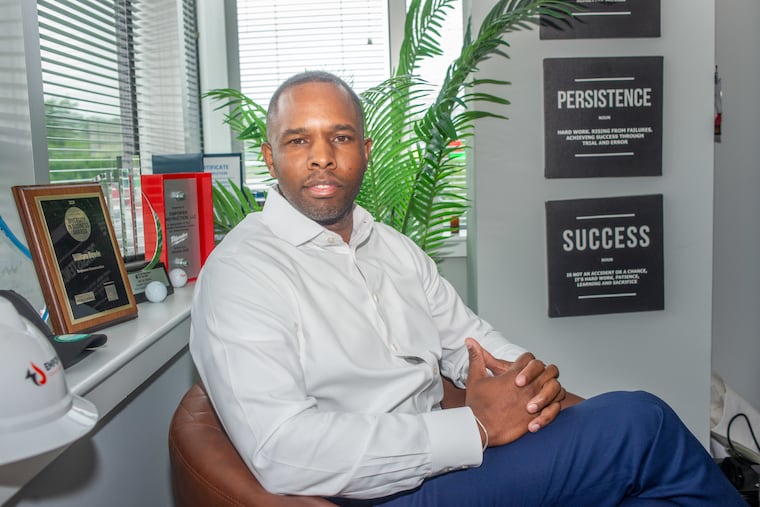
In a striking illustration of upward mobility through unconventional pathways, William Bowie, a former resident of the Richard Allen public housing project in North Philadelphia, has transformed his life from poverty to becoming the president and CEO of a multimillion-dollar construction company. This remarkable journey underscores the potency of community-based apprenticeship models, reminiscent of the traditional “Nwa Boy” system practiced within the Igbo communities of Nigeria.
Bowie’s early life was marked by financial constraints, living with his single mother and brother while grappling with the difficulties of poverty. However, his determination to change his circumstances led him to pursue opportunities within Philadelphia’s trade sectors. Central to his success was a Philadelphia-based apprenticeship program that emulated the principles of the Nwa Boy system, which interlinks mentorship with vocational training, facilitating a pathway from labor to business ownership based on trust rather than formal credit structures.
The Nwa Boy method involves an experienced craftsman, designated as the “Oga” or master, who guides and mentors young apprentices, often directly after secondary school. This apprenticeship lasts for several years, culminating in a financial settlement that helps the apprentice establish their own business, thereby perpetuating the cycle of mentorship and community upliftment.
As conversations surrounding funding for racial equity initiatives evolve, particularly in the face of recent court rulings that impact affirmative action and diversity programs, Bowie and others regard the Nwa Boy system as a potential model for fostering generational wealth among African Americans. This system emphasizes communal relationships over individual financial means, offering an alternative framework as traditional pathways to success face significant challenges.
Bowie’s own trajectory was shaped by pivotal moments that brought him mentorship early in his career. A family acquaintance introduced him to the International Brotherhood of Electrical Workers (IBEW), where he completed his apprenticeship and quickly rose through the ranks. His experiences reflect not only personal resilience but also the critical role of community networks in enabling economic mobility.
Today, Bowie is actively working to bridge the information gap that separates aspiring tradespeople from well-paying jobs. Despite lucrative opportunities in Philadelphia’s shipbuilding sector, many young individuals remain unaware of these prospects. Through outreach and education, Bowie aims to guide the next generation toward career paths that offer both financial stability and personal growth.
Patrick Clancy, the CEO of Philadelphia Works, echoes this sentiment and is committed to expanding apprenticeship programs that challenge the existing barriers to trades for underrepresented communities. The potential for these initiatives is evident, yet they must contend with challenges such as logistics and accessibility that often hinder participation.
Overall, Bowie’s journey exemplifies the transformative power of mentorship and community support. In a broader context, as traditional systems of wealth generation are called into question, the principles embodied in the Nwa Boy model offer insights for rethinking how opportunities are created and sustained in marginalized communities. Moving forward, embracing these systems may be key for many aspiring entrepreneurs aiming to navigate the complex landscape of economic empowerment.
Through the commitment of individuals like Bowie and organizations like Philadelphia Works, the hope is to cultivate an environment where opportunities are not merely dreams, but realities accessible to all.