11 proposals include congestion pricing, dog-friendly beaches, and removing beach tags to enhance the Shore experience.
As the summer season at the Jersey Shore approaches, a paradox exists within this beloved coastal region: the Shore experiences unprecedented crowds, yet many longtime visitors feel priced or driven away. This duality captures the essence of the current state of the Jersey Shore, where increased tourism and rising living costs have created a tense environment characterized by overcrowding, limited parking, and inadequate infrastructure to accommodate visitors.
While some residents and workers have been forced to abandon their communities due to skyrocketing housing prices, the region’s popularity continues to rise, challenging both local governments and the tourism industry to find sustainable solutions. Many coastal towns are grappling not only with the influx of tourists but also with environmental concerns such as rising sea levels, increasing flooding, and unstable weather patterns.
In light of these challenges, residents, experts, and visitors have begun to identify potential improvements to enhance the Shore experience. Among the most frequently cited suggestions is a significant reduction in vehicular traffic. Many advocates emphasize the need to limit cars on the islands to promote biking and safe travel for residents and tourists alike. Options like park-and-ride systems and shuttle services could alleviate congestion while providing better access to the beaches.
Public transportation improvements have also been highlighted, with calls to enhance NJ Transit’s train service to the Shore. Currently, the journey from Philadelphia to Atlantic City is lengthy and plagued by infrequent service. A more efficient transportation network could encourage more visitors to leave their vehicles behind and arrive stress-free.
Another pressing issue is the local housing crisis. As reiterated by advocates, the Shore’s economy relies heavily on service industry workers who often cannot afford year-round housing. There are emerging initiatives to convert dilapidated motels and underutilized buildings into affordable housing, allowing workers in essential roles, from restaurant employees to teachers, to establish roots within their communities.
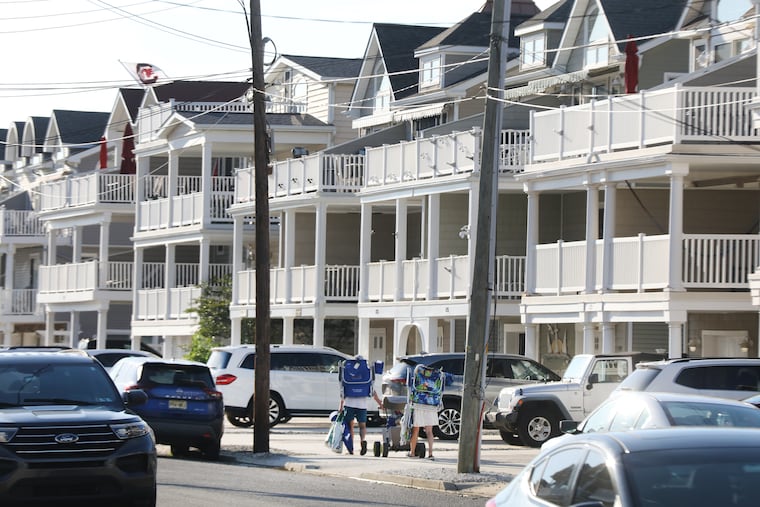
Apart from housing and transit, residents have pushed for policies aimed at preserving the unique character of the Jersey Shore. The proliferation of large, homogenous ‘monster houses’ has sparked calls to limit such developments, ensuring that the architectural diversity and charm of the Shore are maintained. Local organizations are advocating for the preservation and renovation of older homes, which can provide both affordable housing and an aesthetically pleasing environment.
The conversation about beach access also continues, with debates surrounding beach tags and the possibility of creating reciprocal agreements between towns. The idea involves recognizing beach passes from neighboring jurisdictions, thereby encouraging local exploration while promoting tourism across the region.
Furthermore, enhancing recreational spaces for pedestrians and cyclists has garnered support. Expanding bike lanes and implementing traffic calming measures can create safer environments for all, while providing an efficient means of transportation through the Shore’s towns.
Regional leaders and residents alike are beginning to grasp that fostering a harmonious relationship between tourism, locals, and the coastal environment is essential for the sustainability and success of the Jersey Shore. As the summer season unfolds, ongoing discussions and innovative ideas will be crucial in shaping the future of this iconic destination. By addressing pressing concerns head-on, the Jersey Shore can continue to thrive as both a vacation haven and a welcoming community for its residents.
Media News Source