ICE detains almost 50 immigrant workers in two operations across Central Pennsylvania, according to advocates.
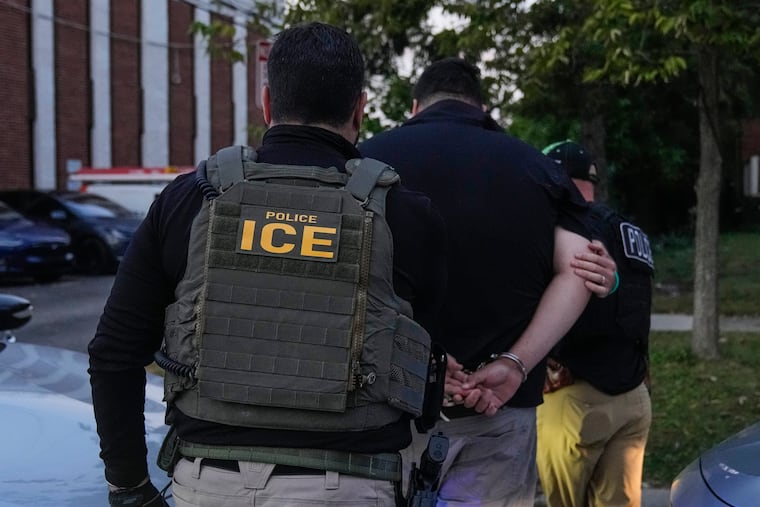
U.S. Immigration and Customs Enforcement (ICE) conducted significant operations in Central Pennsylvania last week, resulting in the arrest of 49 immigrant construction workers. The raids occurred in Danville, specifically targeting individuals at the EwingCole construction site associated with the ongoing expansion of the Geisinger Medical Center. Reports from immigration advocacy groups indicate that all arrested individuals remain in detention, raising concerns about the implications of such actions for the local immigrant community.
The arrests took place in two distinct operations, with the first involving 41 arrests on September 2, around 5 p.m., followed by an additional eight arrests on September 5, starting at 6 a.m. According to the Centre County Rapid Response Network and the Pennsylvania Immigration Coalition, those detained included nationals from several Central American countries, notably Nicaragua, El Salvador, and Honduras.
The nature of these operations has been described as the largest workplace raid in Pennsylvania to date. In a statement issued by the Geisinger Medical Center, officials acknowledged awareness of local law enforcement activity linked to their construction project but clarified that the arrests did not take place on their property. They emphasized their reliance on a construction manager to ensure compliance with federal and state worker eligibility laws.
Eyewitness accounts suggest that ICE agents executed arrests with the support of local Danville police, as workers were stopped in their vehicles upon leaving the construction site. Furthermore, reports indicate that police personnel followed other workers from the Geisinger property to their residences, further contributing to anxiety within the immigrant community. Workers navigating through Danville towards other regions encountered checkpoints near major highway entrances, adding to the sense of militarization reported by those present during the operations.
The involvement of local law enforcement in federal immigration enforcement activities has ignited controversy within Pennsylvania, particularly as more police agencies agree to participate in these operations. Advocates have expressed strong disapproval of local police assisting ICE, arguing that such actions can undermine public safety. The Pennsylvania Immigration Coalition highlighted sentiments of fear among community members, attributing the militarized approach of ICE’s operations to the use of drones for surveillance during the arrests.
Critics of the current immigration enforcement strategy, such as the Pennsylvania Immigration Coalition, argue that federal resources could be better directed towards improving societal conditions, such as education, healthcare, and housing, rather than funding aggressive immigration enforcement measures that, they contend, disproportionately target vulnerable populations and disrupt communities. The implications of these raids continue to resonate, raising urgent questions about immigration policy and community relations.