
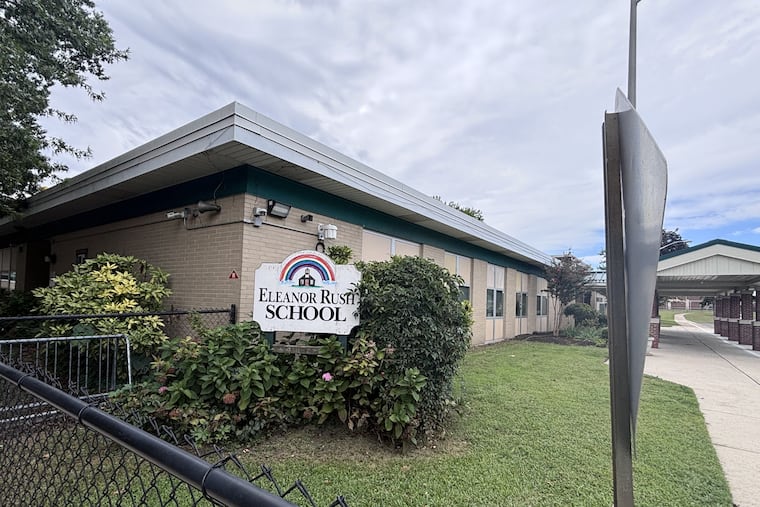
Clementon voters reject .5 million bond referendum; Cinnaminson ballot results remain too close to determine a winner.
In a decisive turn of events during a recent election, voters in Clementon, New Jersey, overwhelmingly rejected a proposed .5 million school bond aimed at financing the construction of an early childhood center for preschoolers. The unofficial results indicated a vote tally of 351 against to 213 in favor, reflecting a clear disapproval from the residents of this Camden County borough. Had the measure been approved, it was projected to increase property taxes by approximately 3 annually for homes assessed at the borough’s average value of 5,178.
Simultaneously, the outcome of a separate but closely watched school bond referendum in nearby Cinnaminson was still pending. This proposal, the largest bond referendum in the district’s history, faced an incredibly narrow margin of defeat with preliminary results showing 1,632 votes against and 1,610 in favor—just 22 votes separating the two sides. Election officials in Burlington County have stated that the final count, which will include mail-in and provisional ballots, is anticipated to conclude by the end of the month, adding uncertainty to the referendum’s fate.
The Cinnaminson proposal comprises two separate ballot questions. The first question must pass to allow consideration of the second, although the second question faced defeat with a vote of 1,808 to 1,491. Together, the funding sought would lead to an estimated increase of 0 annually on properties assessed at the township average of 6,538, financing essential improvement projects such as classroom expansions, HVAC system upgrades, and the renovation of bathroom facilities.
Cinnaminson Township Public Schools Superintendent Stephen Cappello stated the district would reassess its approach should the referendum ultimately be declined. Taxpayers continue to bear the financial burden of a previous 2014 referendum, which added approximately 8 to local annual property taxes.
Tuesday’s elections marked one of five opportunities throughout the year for school boards to propose bond issues or special questions to their constituents, crucial for funding initiatives that fall outside the capabilities of standard operating budgets. A further opportunity for special elections will occur on November 3.
As the community reflects on these recent electoral decisions, the responses to these bond proposals may significantly influence future funding strategies and community investment in educational infrastructure.


