
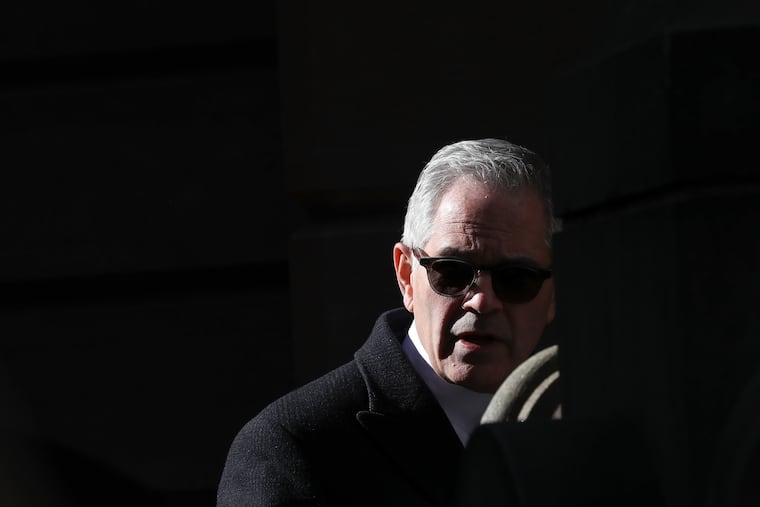
Debate Continues on Larry Krasner’s Leadership of Philadelphia District Attorney’s Office
District Attorney Larry Krasner’s time in office has seen significant promises, including the goals of curtailing mass incarceration, eliminating cash bail, and addressing wrongful convictions. These initiatives emerged amidst Philadelphia’s longstanding “tough-on-crime” policies, which have historically contributed to high incarceration rates and a justice system plagued by racial and economic disparities. However, these reformative ambitions have been overshadowed by a series of legal challenges and internal controversies, particularly regarding the management of exonerations and post-conviction cases.
Recent developments have raised serious concerns about Krasner’s capacity to fulfill his mission effectively. A court case involving the potential overturning of a 2009 murder conviction has placed Krasner’s office under scrutiny, culminating in a three-day evidentiary hearing presided over by U.S. District Judge Paul S. Diamond. The judge subsequently referred the matter to federal prosecutors, suggesting that both Krasner and Matthew Stiegler, the former head of the Convection Integrity Unit, might face allegations of conspiracy, obstruction of justice, and perjury.
Although neither Krasner nor Stiegler has been formally charged, the potential for an investigation looms large. Amid the hearing, Judge Diamond highlighted substantial concerns regarding the integrity of Krasner’s office. Previously documented incidents—including the disbarment of a supervisor for misleading testimony in a federal court and allegations surrounding the willful destruction of evidence—have marred the reputation of the district attorney’s office.
Krasner’s recent legal troubles are compounded by troubling testimonies from current supervisors, who indicated that they were pressured to conceal mishandlings and present a fabricated narrative surrounding critical cases. Judge Diamond’s ruling underscored that Krasner’s leadership style has fostered an environment of fear and distrust within the office. The pressure to protect the DA’s standing seems to have led to conflicts of interest, as supervisors reported feeling cornered by Krasner’s directives.
The implications of this turmoil reach beyond leadership challenges; they extend to the core functions of the district attorney’s office. Questions now arise about the credibility of prosecutions moving forward. With public and legal trust potentially eroded, the success of Krasner’s reformative agenda hangs in the balance. Although he entered office with a vision of justice reform, the unfolding crisis has raised doubts about his capability to guide his office effectively amid growing legal scrutiny.
Moving forward, Krasner faces a formidable challenge: rebuilding the trust of both the public and his staff. To regain credibility, he must carefully consider the composition of his leadership team and reflect on whether he can continue to navigate the tumultuous waters of the district attorney’s office while addressing the critical issues at hand. The path ahead is fraught with difficulty, and the stakes are substantial not just for Krasner, but for the integrity of the justice system in Philadelphia.
This evolving situation highlights the complex dynamics of justice reform in a political landscape hindered by skepticism and operational challenges, necessitating both immediate and strategic adjustments if Krasner hopes to change course successfully.


