Ukraine launches over 1,000 drones at Russia, marking the largest drone attack on Moscow to date.
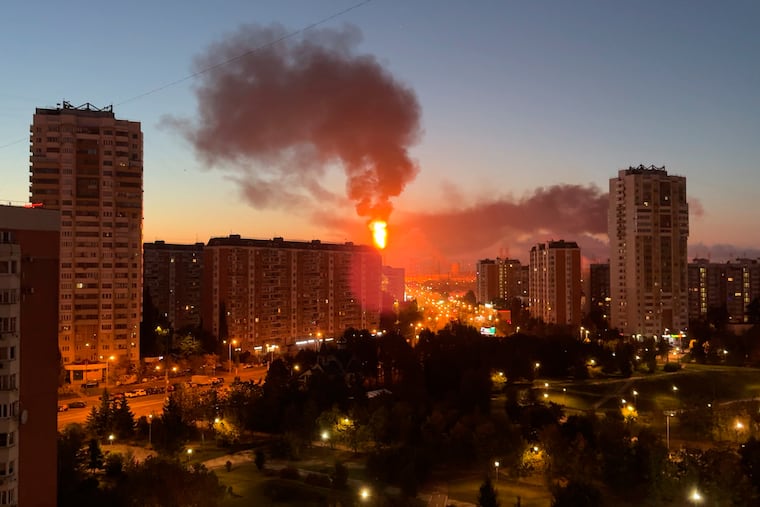
Ukrainian forces executed a significant drone attack against Russia, launching over 1,000 drones overnight, including a substantial number aimed directly at Moscow. This operation coincided with the final day of Russia’s parliamentary elections, marking a notable moment in the ongoing conflict. Moscow’s mayor labeled the assault as the largest drone strike the city has ever faced, confirming that damages were incurred at the Moscow Oil Refinery and a residential building in the vicinity.
The broader repercussions of the attack have led to fatalities and injuries, with authorities reporting two deaths and approximately 20 individuals wounded across the Moscow region. Among the deceased were a 74-year-old man and a 44-year-old woman. President Volodymyr Zelensky of Ukraine highlighted that this military operation employed a variety of missiles and drones, notably Ukraine’s domestically developed Flamingo and Pelican missiles targeting key logistical and oil infrastructure.
Ukrainian leadership has strategically emphasized the financial implications of such strikes, aiming to undermine the Russian war machine’s economic foundation. Zelensky indicated the significance of these operations, underscoring that the destruction curtails billions of dollars essential for sustaining military operations.
In addition to these events, Ukraine has been repelling Russian assaults. A recent drone strike in the Kherson region resulted in casualties, including the death of a religious leader and injuries to four other individuals. Furthermore, an airstrike on Kyiv resulted in the tragic loss of two children and their mother, with reports indicating a subsequent death of a wounded child in a local hospital.
Notably, the drone attack occurred during Russia’s first wartime parliamentary election. The election has been widely criticized for lacking genuine opposition to President Vladimir Putin’s governance, making the outcome predictable and reinforcing the Kremlin’s grip on power. The voting also extended to four Ukrainian regions that Russia annexed illegally, where it still lacks complete control, as well as Crimea, also annexed by Russia in 2014—a move deemed illegal by Ukraine and much of the international community.
Reports from Russia’s Ministry of Defense claimed the downing of 1,110 Ukrainian drones during the skirmish, with Moscow Mayor Sergei Sobyanin asserting that 450 of these drones were intercepted before reaching the capital. He also described the attack as an attempt to disrupt the elections, stating that the “enemy failed” in this objective.
As Ukraine continues to innovate in military drone technology, it aims to utilize long-range drones and missiles to reach deeper into Russian territory, thereby increasing pressure on both the Russian economy and political environment. This strategy seeks not only to inflict immediate operational damage but also to ensure the Russian public feels the consequences of ongoing hostilities. Yet, despite these measures, President Putin has shown no indication of a desire to cease military actions, maintaining an unwavering commitment to the invasion. The situation remains tense, with both sides engaged in an ongoing aerial confrontation in a conflict that has shown little sign of abating.