Rising instrument prices may hinder music programs in schools nationwide.
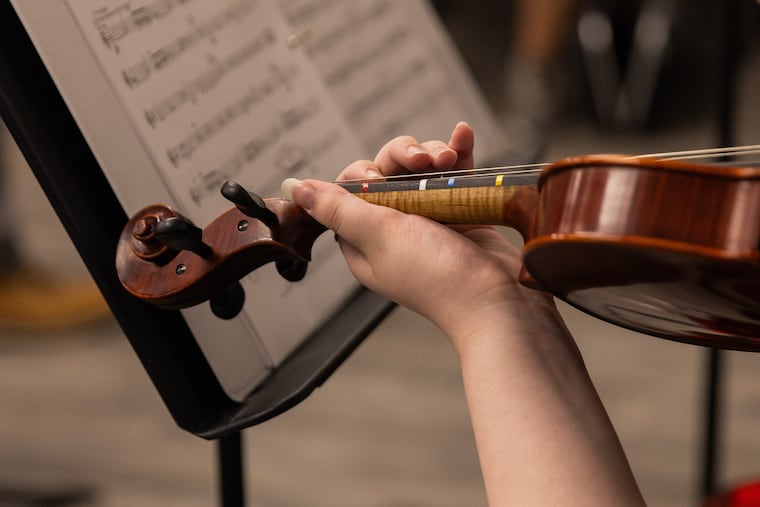
In Kanawha County, West Virginia, Jeff Lipscomb, an accomplished high school orchestra director, grapples with a pressing issue that music educators across the nation face: the escalating costs of musical instruments amid tight school budgets. Lipscomb’s orchestra program, hosting 12 cellists but equipped with only 10 cellos, is emblematic of a deeper crisis within music education, particularly in financially strained districts.
As Lipscomb contemplates his modest yearly budget of 0 to 0, he confronts the stark reality that a single new cello exceeds ,000. This scenario compels him to often dip into his personal finances for essential instruments, a situation that has become increasingly untenable. The challenges extend beyond West Virginia; educational institutions nationwide are feeling the sting of rising instrument prices, exacerbated by recent supply chain disruptions and tariffs on foreign-made instruments instituted during previous administrations.
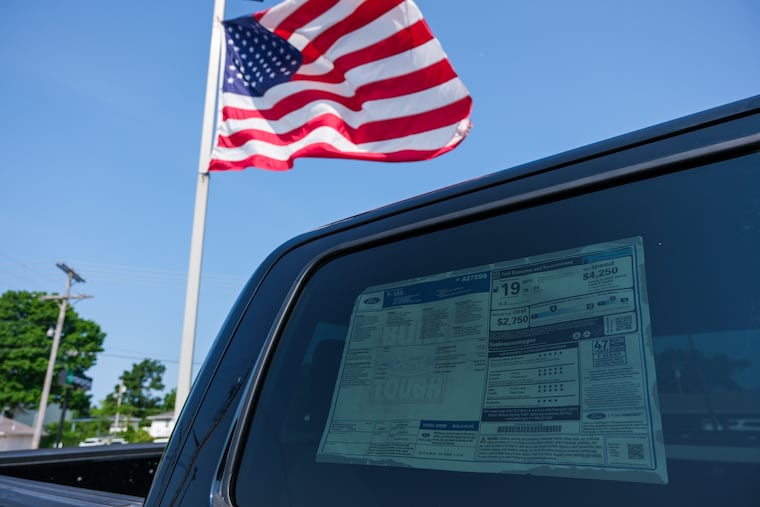
These tariffs, which have increased costs by an average of 13 percent as of June, pose significant threats particularly to lower-income school districts experiencing declining enrollments and budgets. Reports indicate that imports of band and orchestral instruments have plummeted, with orchestrational string instruments seeing a staggering 50 percent drop. The National Association of Music Merchants warns that the financial burden of higher instrument prices may lead to many schools experiencing empty music classrooms in the near future.
Across the United States, educators face difficult choices to maintain their programs. For instance, a music teacher in Beaverton, Oregon, is even considering 3D printing ukuleles to address instrument shortages, while a school administrator in New Jersey seeks ways to maximize the lifespan of existing instruments. In Pennsylvania, the search for affordable used instruments has become a new priority.
As the situation develops, the overarching concern remains the impact on students. Lipscomb shared a poignant example of a freshman viola player who dropped out of his class due to the inability to rent an instrument, emphasizing how rising costs not only limit access but also deter students from pursuing music. The adjustments required to maintain access to music education resources highlight a worrying trend.
School music programs, particularly those in economically challenged areas, are at risk as administrators like Lipscomb struggle against a backdrop of federal pandemic aid expiration, budget cuts, and inflation. The intersection of these factors is creating what some educators describe as a “perfect storm” impacting the viability of music education.
With the prospect of future tariffs looming over brass instruments, the situation may worsen before it gets better. As Lipscomb succinctly puts it, the challenges of teaching music amidst rising expenses are forcing educators to “work with what you’ve got.” Unfortunately, for many, this means relying on aging, subpar instruments that can hinder student progress. The ongoing crisis underscores the urgent need for sustainable solutions to safeguard music education for future generations.