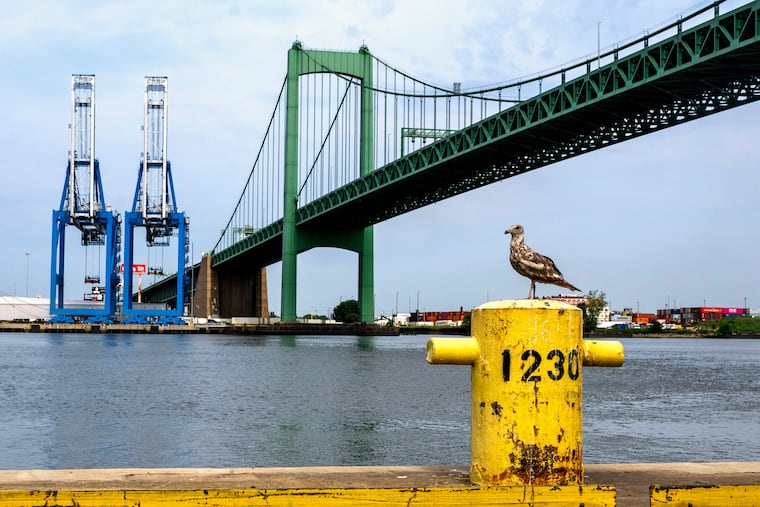
Philadelphia to receive significant investment in port facilities, highlighting its status as a key maritime city.
This week brings significant developments for the Port of Philadelphia, highlighting an ambitious investment strategy, discussions surrounding the city’s business taxes, ongoing debates over automated license plate readers, and a positive shift regarding preserved city artifacts.
At the forefront, the Port of Philadelphia is set to receive nearly billion in private and public funds aimed at revitalizing its operations. This investment is projected to create thousands of local jobs and enhance the city’s share of commodity traffic, as well as facilitate the construction of a new berth at Southport. With the recent resurgence of cruise tourism, these developments serve as a reminder of the port’s potential and importance to Philadelphia’s identity as a maritime city.
Historically, the city has struggled to maintain its maritime heritage since the Navy’s departure several decades ago. While waterfront initiatives, such as the Spruce Street Harbor Park, have transformed parts of the city, the Delaware River remains underutilized for recreational activities compared to other major cities like New York and Baltimore. Leveraging natural assets, particularly in Lower South Philadelphia—which includes the port, Navy Yard, and airport—could significantly stimulate economic growth, asserts Rich Lazer, CEO of the Philadelphia Regional Port Authority. He notes that there is considerable room for expansion in these areas, which presents an opportunity for strategic commercial development.
In addition to maritime investments, local entrepreneurs are facing challenges regarding the city’s business taxes. Following the decision by city attorneys to not defend a 0,000 business tax exemption, various proposals have emerged. One potential solution seeks to exempt specific categories of businesses, but this idea has met resistance from Council President Kenyatta Johnson, who emphasizes the necessity of a more comprehensive reform that benefits a broader spectrum of the business community.
Furthermore, the discourse surrounding automated license plate readers (ALPRs) has intensified, with discussions in Harrisburg and Philadelphia advocating for stricter regulations. Proponents and critics alike acknowledge the technology’s potential for resolving criminal cases and enhancing public safety, yet there are significant concerns regarding privacy and misuse. Suggested legislative measures aim to impose restrictions on the use of ALPR data, particularly to prevent federal misuse related to immigration enforcement.
Lastly, a recent decision by Mayor Cherelle Parker marks a deliberate step back from a controversial plan initiated by her predecessor, Jim Kenney, to transfer city heirlooms to private institutions. The collection, which includes significant historical artifacts, will remain under city control, reflecting a commitment to public heritage. However, challenges lie ahead in restoring the Atwater Kent building for public display and addressing financial constraints amidst broader cultural support needs.
These developments represent a critical period for Philadelphia, as the city navigates opportunities for revitalization while tackling pressing challenges in governance, business sustainability, and cultural heritage preservation.
Media News Source