Florida mobile home park eviction day passes as some residents choose to stay despite the threat of eviction.
Residents of the Li’l Abner Mobile Home Park in Sweetwater, Florida, are facing an uncertain future as the park prepares to shut its doors on May 19, following a recent decision by its owner, CREI Holdings, to convert the site into an affordable housing complex. This development has raised significant concerns among the approximately 3,000 residents, including Santos Varela, a 71-year-old diagnosed with terminal pancreatic cancer, who now grapples with both health and housing crises.
The closure of Li’l Abner represents a broader trend in Florida, where mobile home parks are being dismantled to make way for new construction. Much of the displacement has forced residents to navigate an already challenging rental market. Audacious financial demands have surfaced in light of the city’s housing shortage, with Sweetwater being recognized as one of the nation’s least affordable metropolitan areas.
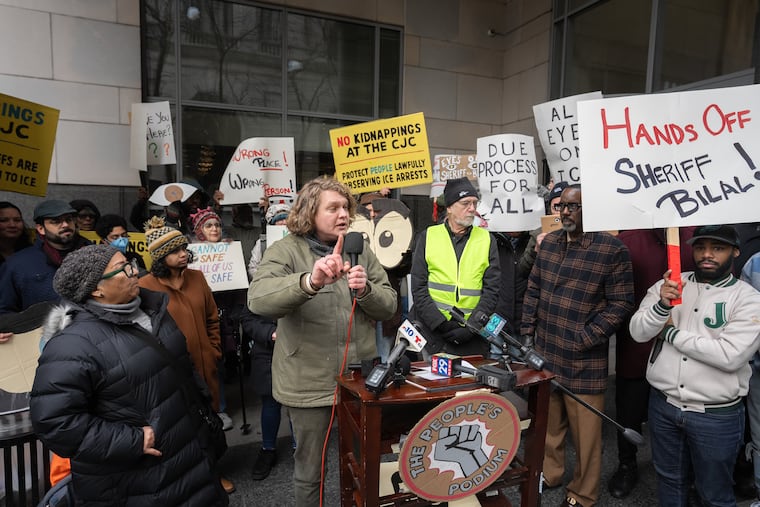
In November, mobile home owners were offered a buyout of ,000 if they vacated by January 31. The majority accepted this arrangement, but for the remaining holdouts—around two dozen residents—the offer did not provide adequate time or financial assistance to secure alternative housing. Many residents have since protested the impending evictions, fearing the repercussions of their uncertain status, particularly amid health challenges faced by individuals like Varela.
It continues to be unclear what subsequent actions park management plans to take regarding the eviction process. The residents, who have historically paid rent and assert their legal rights to remain, have filed a class action lawsuit against CREI Holdings, claiming wrongful eviction. Residents now face the anxiety of being uprooted without warning, particularly as their eviction date approaches.
The financial landscape for many of the current residents is dire, with a significant percentage living below the poverty line. Data from the U.S. Census Bureau indicates that the median household income at Li’l Abner is ,666 per month, with a third of its population living in poverty, which starkly contrasts with the surrounding Miami-Dade area.
While the community acknowledges the purported transition to affordable housing, the reality is often starkly different. Varela and his wife, Yolanda López, reflect on their plight, with concerns surrounding the inadequacy of the relocation offers and the challenges of securing new housing. López noted that the buyout barely stretches to cover a few months of new rent—insufficient when faced with costs that exceed ,000 for even the most basic accommodations.
Amidst mounting pressure and limited options, residents continue to advocate for additional financial support and solutions as they await the outcome of their legal battle. Their situation serves as a poignant reminder of the complexities and human costs associated with urban development and housing crises that resonate across numerous communities.
Residents like Varela and López embody the struggle against economic displacement, clinging to hope as they navigate their next steps in this evolving landscape. The future remains uncertain, with the urgency for resolution paramount as community members seek clarity on their imminent dislocation.