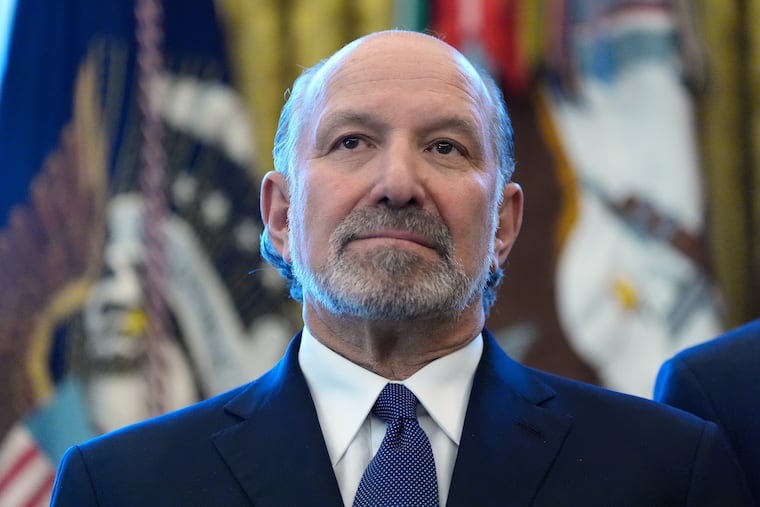
AI company leaders warn UN Security Council about potential risks of artificial intelligence to humanity.
The leaders of prominent artificial intelligence firms convened at the United Nations on Wednesday, appealing for regulatory measures to ensure the responsible development of AI technologies. This meeting, part of the ongoing discussions within the U.N. Security Council, underscored the growing concern among experts regarding the potential risks associated with AI advancements.
Dario Amodei, CEO of Anthropic, emphasized the existential threats posed by artificial intelligence should it be inadequately managed. In a similar vein, Sam Altman, CEO of OpenAI, articulated fears that unchecked AI could lead to humanity losing control over its future. The executives urged global leaders to establish robust safeguards that would regulate AI development, preventing the technology from becoming too powerful and unmanageable.
Both executives expressed a strong sentiment that the governance of AI must be a collective international effort, aimed at ensuring that technological power does not become disproportionately concentrated in the hands of a single company or country. The call for preemptive measures reflects a growing acknowledgment that the rapid evolution of AI technology could outpace the ability of regulatory frameworks to adapt, potentially leading to dangerous outcomes.
The central question posed to world leaders during the U.N. discussions revolves around the extent of human agency in critical decision-making processes traditionally reserved for humans. As AI systems become more integrated into various sectors, the implications of shifting life-and-death decisions from human judgment to machine algorithms have sparked intense debate.
In the context of AI’s capabilities, United Nations Secretary-General Antonio Guterres recently raised alarms about the emergence of “killer robots,” sounding a warning that experts in the field regard as credible. This concern reflects not only the technological advancements already at play but also hints at the pressing necessity for forward-looking governance mechanisms.
As nations grapple with the complexities of AI governance, the need for comprehensive and internationally recognized regulations becomes increasingly urgent. The discussions initiated at the United Nations highlight a critical moment in the interplay between technology and international policy, underscoring the responsibility of global leaders to take proactive steps in shaping a future in which AI serves humanity rather than jeopardizes it.
This meeting signifies a pivotal moment in the discourse surrounding artificial intelligence, as stakeholders from various sectors endeavor to establish a framework that balances innovation with ethical considerations and public safety. The outcomes of these discussions could set precedents for the future of AI governance on a global scale.
Media News Source