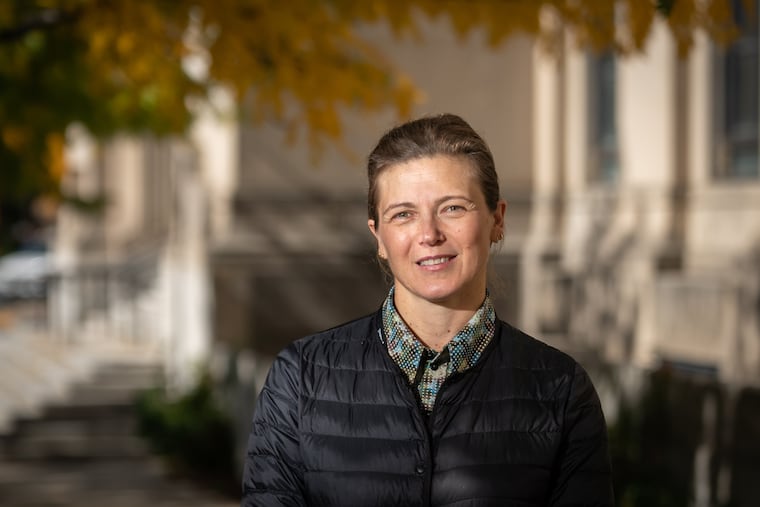
Art Museum’s former chief Sasha Suda requests a trial instead of arbitration in recent court filing.
In a significant development in the ongoing legal dispute surrounding the Philadelphia Art Museum, former director and CEO Sasha Suda has reiterated her position against the board’s actions, characterizing her removal as part of a broader struggle for modernization within the institution. This assertion came to light following a recent court filing in which Suda requested a jury trial, rejecting the museum’s call for arbitration to resolve the conflict.
The new filing, submitted to the Philadelphia Court of Common Pleas, contends that Suda’s employment contract contains provisions that exempt her case from arbitration. Suda is challenging a previous petition from the museum seeking arbitration by asserting her right to a jury trial based on the specific terms of her contract and Pennsylvania law.
Suda, who was terminated on November 4, claims her dismissal was unfounded. Shortly after her removal, she initiated legal action against the museum, contesting the grounds cited for her termination. The museum has alleged that Suda misappropriated funds and lied to cover up these alleged actions, charges Suda and her legal representatives vehemently dispute. Suda’s attorney has described the claims of financial misconduct as false, asserting that the salary adjustments in question were pre-approved and part of authorized cost-of-living increases.
The latest court document builds upon previous arguments made in Suda’s lawsuit, detailing her contentious relations with board members, particularly former chair Leslie Anne Miller. The filing accuses Miller of making disparaging remarks about Suda, which Suda claims violated her employment agreement and has led to a demand for injunctive relief.
Complicating matters further, the museum’s November petition suggested that Suda unilaterally awarded herself unauthorized salary increases without board approval, a claim Suda disputes by citing supportive communications from board members regarding her compensation.
Suda’s tenure at the Philadelphia Art Museum, marked by significant aspirations for institutional transformation, was abruptly ended as she was in the third year of a five-year contract. As the legal proceedings continue, the museum has appointed Daniel H. Weiss, a seasoned leader from the Metropolitan Museum of Art, as Suda’s successor. The outcome of this ongoing dispute may have lasting implications for both the Philadelphia Art Museum and the broader cultural sector in addressing issues of governance and organizational change.
Media News Source