
Black women experience highest job losses during Trump’s presidency, highlighting systemic issues in the labor market.
The impact of economic policies under President Donald Trump’s administration has sparked notable concern regarding employment disparities, particularly among African American women. Despite Trump’s repeated claims during his campaign that immigrants posed a significant threat to job opportunities for African Americans, recent analyses reveal that the job losses facing this demographic often stem from policies enacted by the administration itself.
By the end of the year, projections indicate that approximately 300,000 federal government positions may be eliminated due to cost-cutting measures and anti-diversity initiatives proposed by Trump. Given that Black workers constitute about 19% of the federal workforce, these cuts disproportionately affect them. Recent findings from an analysis conducted by The New York Times highlight that African American women have suffered the most significant job losses since Trump re-entered public office, with an estimated 319,000 jobs eliminated across both public and private sectors.
The scale of this job loss is staggering, comparable to the population of Pittsburgh, Pennsylvania, illustrating the severe implications for regional economies dependent on the employment of these individuals. Current national statistics reflect a disturbing rise in Black female unemployment, which hit 6.7% in July, significantly higher than the overall national unemployment rate of 4.3%.
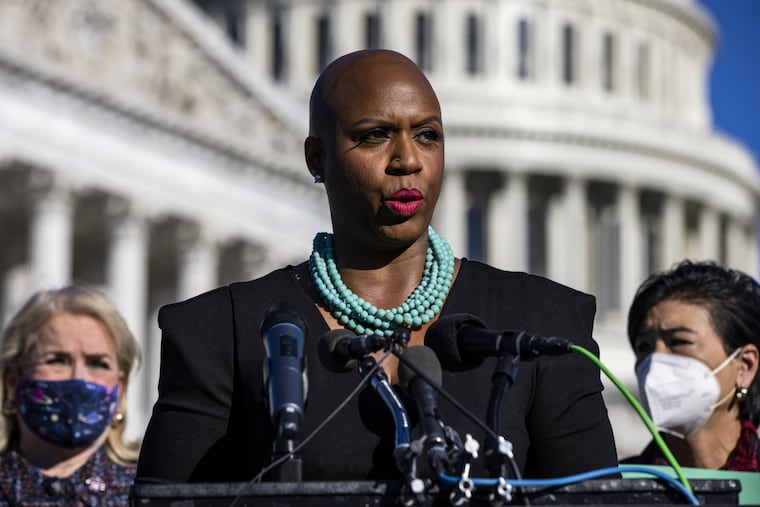
In response to these alarming trends, Representative Ayanna Pressley of Massachusetts has advocated for accountability from the Federal Reserve, addressing Federal Reserve Chair Jerome Powell in a letter to highlight the urgent need for data concerning the economic impact of job losses among Black women. Pressley emphasized that all demographics should benefit from the Federal Reserve’s statutory mandate to promote maximum employment.
Amid these overarching trends, personal accounts reveal the profound effects of job loss on individuals. Annita Bonner, a former federal employee, expressed her dismay after being terminated from her position in disaster relief. She had previously relished the stability and opportunities her job provided, including the ability to support her family and pursue meaningful experiences. Bonner’s loss has plunged her into a state of uncertainty and distress as she searches for comparable employment.
The position of African American women in the workforce is precarious; they represent about 7% of the overall labor force but occupy around 12% of federal jobs. This demographic’s struggles often serve as a precursor for broader economic challenges, underscoring the urgent need for policy measures to address systemic inequality. As the ramifications of Trump’s policies continue to unfold, it becomes increasingly clear that the economic welfare of vulnerable communities hangs in the balance.
Media News Source


