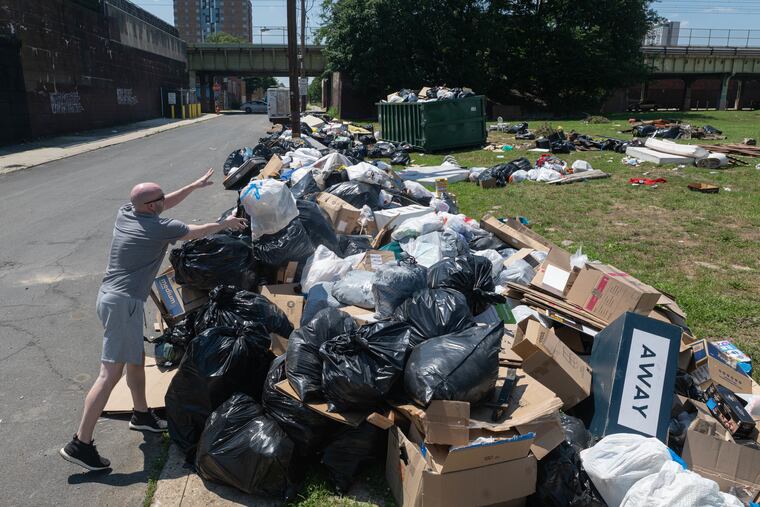
California boasts a leading economy but ranks among the most unequal in the nation.
California’s next governor, with former Attorney General Xavier Becerra a likely contender, will take office facing a multitude of persistent and complex challenges. Chief among these issues are the state’s high levels of homelessness and notoriously expensive cost of living, both of which have existed long before the tenure of current Governor Gavin Newsom. Additionally, the incoming governor will need to contend with a chronic multibillion-dollar budget deficit and a stubbornly elevated unemployment rate, problems that have gained prominence more recently.
A question frequently posed regarding these issues is whether they are uniquely pronounced in California compared to other states. Given that definitions vary and comparable data can be hard to find, making such assessments can be complicated. However, two recent academic studies provide insight into California’s standing relative to its 49 counterparts.
The first study, titled “State of the States,” is part of a broader “State of the Nation” research initiative from Tulane University’s Murphy Institute. This project seeks to clarify pivotal national issues beyond partisan debate. Findings from this research indicate that California excels in areas like Economy (ranked 1st), Trust (3rd), Mental Health (3rd), and the welfare of Children and Families (3rd). Conversely, the state ranks significantly lower in Work and Labor Force (48th), Inequality (49th), and Environmental quality (50th). It is worth noting that despite California’s political leadership pushing a narrative of socioeconomic equity and environmental stewardship, the state often finds itself at or near the bottom in these categories.
In contrast, Texas, frequently compared to California, performs better on several fronts, particularly in areas like press freedom. Nevertheless, Texas also grapples with other substantial challenges such as environmental issues and voter participation rates. A striking difference between the two states lies in resident satisfaction: Texas ranks among the top states, while California falls below the median.
The second significant study comes from the Berkeley Economy & Society Initiative, backed by the Hewlett Foundation. This research emphasizes California’s deteriorating affordability. One report argues that California is “less affordable and poorer than it should be given the strength of our economy.” It cites systemic issues that drive up costs, noting that high expenses contribute not only to poverty but also encourage a trend of domestic out-migration. Between 2020 and 2024, California recorded the second-lowest net migration rate, trailing only New York, with unaffordability as a principal reason behind this trend.
Further analysis in this initiative identifies the primary cause of high living costs as a regulatory framework that impedes the development of essential infrastructure necessary for housing, energy, and water. Such growth restrictions limit housing supply, indirectly inflating housing prices and the costs of essential public infrastructure. The series suggests several potential solutions, including embracing factory-built housing and innovative financing models to alleviate the housing shortage.
Given the findings from these comprehensive studies, it is imperative for California’s next governor and the legislature to address these critical issues with informed strategies and decisive actions to improve the state’s standing and overall quality of life for its residents.