California’s hidden ‘port tax’ impacts costs for all Americans.
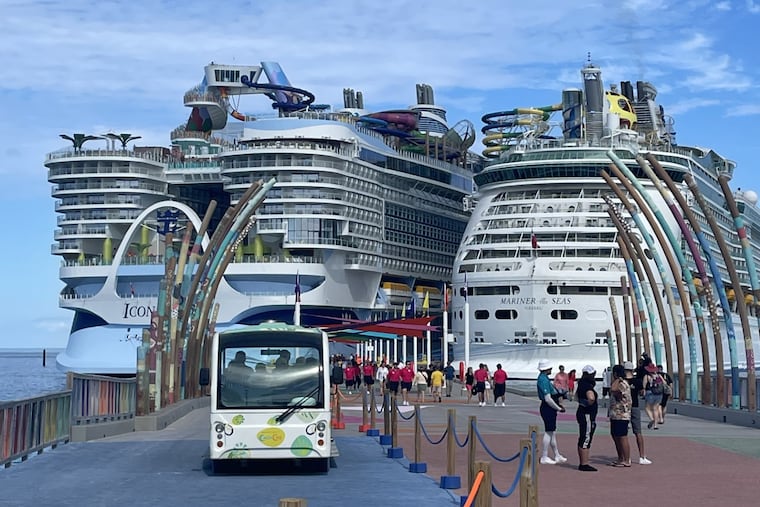
The congestion of ships off the California coast has become emblematic of a larger issue rooted in regulatory practices that are significantly impacting the national economy. These vessels are not merely waiting for dock space; they are caught in a web of governmental policy that exacerbates supply chain delays. Unfortunately, the consequences of these delays extend to every American taxpayer as the cost of essential goods—ranging from food to utilities—continues to rise.
The heart of this issue lies in California’s “Vessels At-Berth” rule, which requires ships to power down their diesel engines upon docking and switch to shore-side electrical power. This regulation, sanctioned by a waiver from the Environmental Protection Agency (EPA), is meant to curb emissions but imposes a set of costly compliance requirements. These costs, in turn, are transferred to consumers nationwide, manifesting as increased prices for goods and disruptions in supply chains.
Currently, Congress has the opportunity to intervene and repeal this regulation through the Congressional Review Act (CRA). By doing so, they could effectively overturn the EPA’s waiver, providing much-needed relief to the shipping industry that has faced immense constraints under these rules. With California’s ports handling a substantial portion of U.S. imports—40% and 30% of exports, respectively—the financial implications of the “Vessels At-Berth” rule are staggering. Experts predict compliance costs could exceed billion by 2032, contributing to rising prices for fuel, food, and other consumer products.
In addition to the economic ramifications, the logistical challenges presented by this regulatory environment further complicate the situation. Port congestion is worsening, as the requirement for ships to connect to shore power can delay docking by several hours. This added time not only limits dock availability but also strains local energy grids, as vessels must navigate a complex process to switch power sources upon arrival.
The penalties for noncompliance are steep, with fines that can reach over ,000 per day. Such financial burdens can lead to increased prices for consumers and pose serious challenges for American exporters. Critics argue that the existing regulation shifts the responsibility for environmental management from the federal level to the state level, potentially undermining national economic competitiveness.
Furthermore, the imposition of California’s stringent policies on a national scale raises questions about the appropriate balance of authority between state and federal governments. The CRA presents a mechanism through which Congress can reclaim some of this authority and ensure that no single state can impose significant economic burdens on others.
The pressing need for legislative action has never been clearer. The current scenario signifies a regulatory overreach that could undermine America’s economic health. By taking decisive action to repeal the “Vessels At-Berth” rule, Congress could restore equilibrium between environmental goals and economic viability, ultimately benefiting all Americans. The time to act is now, as delays in addressing this issue will continue to escalate costs for taxpayers and pose significant challenges for the economy at large.