EPA set to eliminate restrictions on climate pollution from power plants.
The Trump administration is poised to announce a significant rollback of regulations that limit greenhouse gas emissions from power plants, particularly those fueled by coal and natural gas. According to sources familiar with the impending proposal, the announcement is expected to be made during a meeting of energy ministers from the Group of 20 nations in Houston. This shift, orchestrated by the Environmental Protection Agency (EPA), reflects a broader trend of dismantling the climate policies implemented during the administrations of Presidents Joe Biden and Barack Obama.
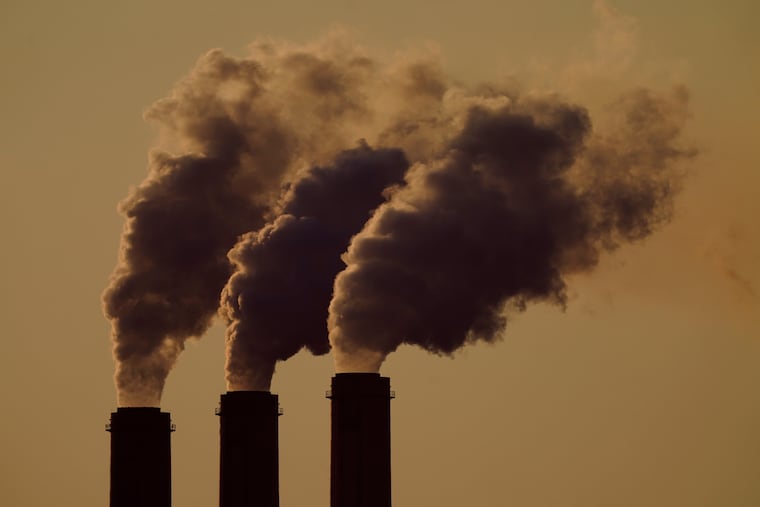
The power sector is a major contributor to carbon dioxide and other greenhouse gas emissions in the United States, ranking as the second-largest source of such pollutants. These emissions are known to trap heat in the atmosphere, exacerbating global warming and increasing the frequency and severity of extreme weather events.
The proposed changes by the EPA could have lasting implications for climate policy in the U.S., potentially limiting the ability of future administrations to impose regulations on greenhouse gas emissions from power plants. The move has drawn criticism from environmentalists and energy experts, who have noted that if the U.S. power sector were considered a separate nation, it would rank fifth among global climate polluters, trailing only China, the entire United States, India, and Russia.
Environmental advocates argue that the rollback is particularly detrimental given the increasing urgency to address climate change. They contend that the EPA’s decision to ease regulations undermines efforts to mitigate the harmful impacts of pollution and delay transitions to cleaner energy sources. The Biden-era climate regulations aimed to enhance efficiency and emissions controls at existing coal-burning plants while setting standards for new natural gas facilities.
Opponents of the prior regulations, including proponents from the coal industry, have long claimed that such standards are economically burdensome and could lead to widespread shutdowns of coal plants, which have already been in decline over the past several decades. Currently, coal accounts for approximately 17% of the U.S. electricity generation, down from over 50% in 1990.
The implications of this regulatory rollback extend beyond environmental concerns. Experts have warned of significant public health risks associated with increased pollution, highlighting that diminished restrictions could lead to thousands of additional health issues and lost workdays, as estimated by previous studies during the Biden administration.
As this proposal moves closer to formal announcement, legal challenges from Democratic-led states and environmental groups are anticipated. The EPA’s authority to regulate climate pollution from the power sector has faced scrutiny in U.S. courts, with previous attempts at comprehensive regulations—like the Clean Power Plan—being overturned or restricted.
The upcoming announcement is emblematic of the contentious debate over America’s energy future and its approach to climate change, raising questions about the balance between economic interests and environmental stewardship. Continued developments regarding the regulation of emissions will remain a focal point for policymakers, energy providers, and environmental advocates alike.
Media News Source