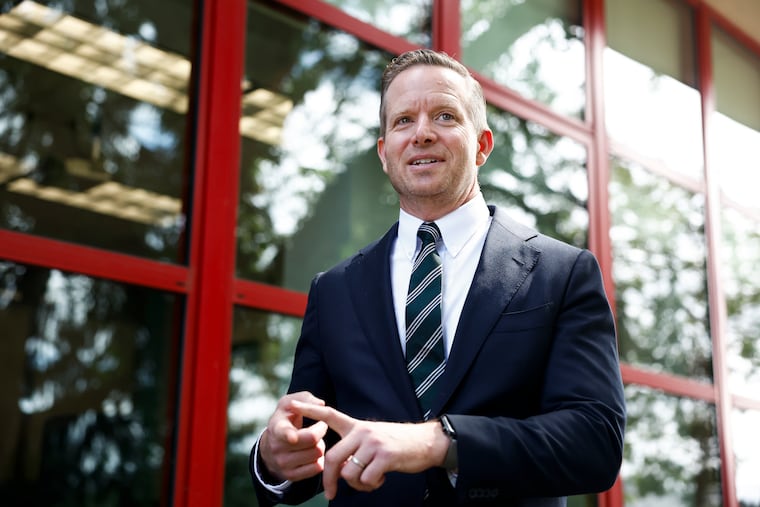
Carney meets with EU leaders as Canada strengthens ties with Europe amid Trump’s influence.
Montreal Summit Seeks to Forge Closer Canada-EU Alliance Amid Trade Tensions
MONTREAL – Prime Minister Mark Carney of Canada is working to establish stronger ties with European leaders, positioning Canada as a potential “associate member” of the European Union (EU) amidst an increasingly complex global trade landscape. The summit, featuring key figures such as European Commission President Ursula von der Leyen and European Council President António Costa, aims to enhance cooperation across trade, defense, and economic sectors.
Carney has characterized Canada as “the most European of non-European countries,” and this assertion rings particularly relevant as Canada and Europe aim to reduce their collective reliance on the United States amid changing geopolitical conditions. Von der Leyen, during her address in Montreal, underscored the shifting paradigm of economic relationships, warning that what were once viewed as stabilizing influences are increasingly used as tools for coercive pressure, significantly impacting families and national sovereignty.
The proposed “associate member” status for Canada, while innovative, encounters skepticism from certain EU member states, complicating the summit’s discussions. This concept, introduced by von der Leyen, would not grant Canada full EU membership due to geographic constraints; however, it aims to elevate bilateral relations to new heights. Von der Leyen envisions this partnership as an “association without accession,” focusing on enhanced collaboration in key areas ranging from artificial intelligence to defense and trade.
Despite resistance within the EU, including concerns raised by influential member states such as France and Germany, von der Leyen remains committed to advancing the proposal. Prominent analysts suggest that the contentious nature of the nomenclature could overshadow productive negotiations during the summit.
In response to potential backlash from the United States, particularly from President Donald Trump’s administration which has termed the arrangement potentially “hostile,” a senior Canadian official clarified that the strengthened relationship is not intended to isolate the U.S. but rather to align with shared values and interests.
Looking ahead, Carney notes that discussions at this summit are merely the beginning of a longer process aimed at solidifying this partnership over the next year. While formal EU membership is off the table, any enhanced collaboration would require the approval of the Canadian Parliament, reflecting Carney’s cautious yet optimistic approach.
Furthermore, the summit is set to initiate an “Alliance for the Future,” a framework designed to foster cooperation in crucial areas including trade, technology, and defense. Canada currently participates in the EU’s 150-billion-euro SAFE defense procurement program, which allows Canadian firms to engage in joint military purchasing across Europe.
On the topic of critical minerals, there is a shared imperative to bolster supply chains, especially with rising import values for Canadian resources such as lithium and cobalt. As the relationship between Canada and the EU evolves, both sides strive to diversify and strengthen their economic ties, seeking to lessen dependence on any single market, particularly that of the U.S.
Overall, this summit represents an important phase in Canada’s global strategy, as both Canada and the EU navigate a shifting international landscape and seek to capitalize on shared opportunities for collective growth and stability.