City Council members file lawsuit against Dallas to postpone City Hall relocation.
Three members of the Dallas City Council—Paula Blackmon, Adam Bazaldua, and Cara Mendelsohn—have initiated legal action against the city regarding a special meeting scheduled for Wednesday. This meeting is set to deliberate on proposals that could potentially facilitate the relocation of City Hall, a subject that has sparked significant debate among local leaders.
The council members filed a lawsuit seeking an emergency court order to prevent the meeting from occurring, arguing that the decision to advance City Hall’s relocation lacks the necessary public input and transparency. They contend that the short notice given—merely two days—prior to what they regard as a crucial vote undermines the democratic process.
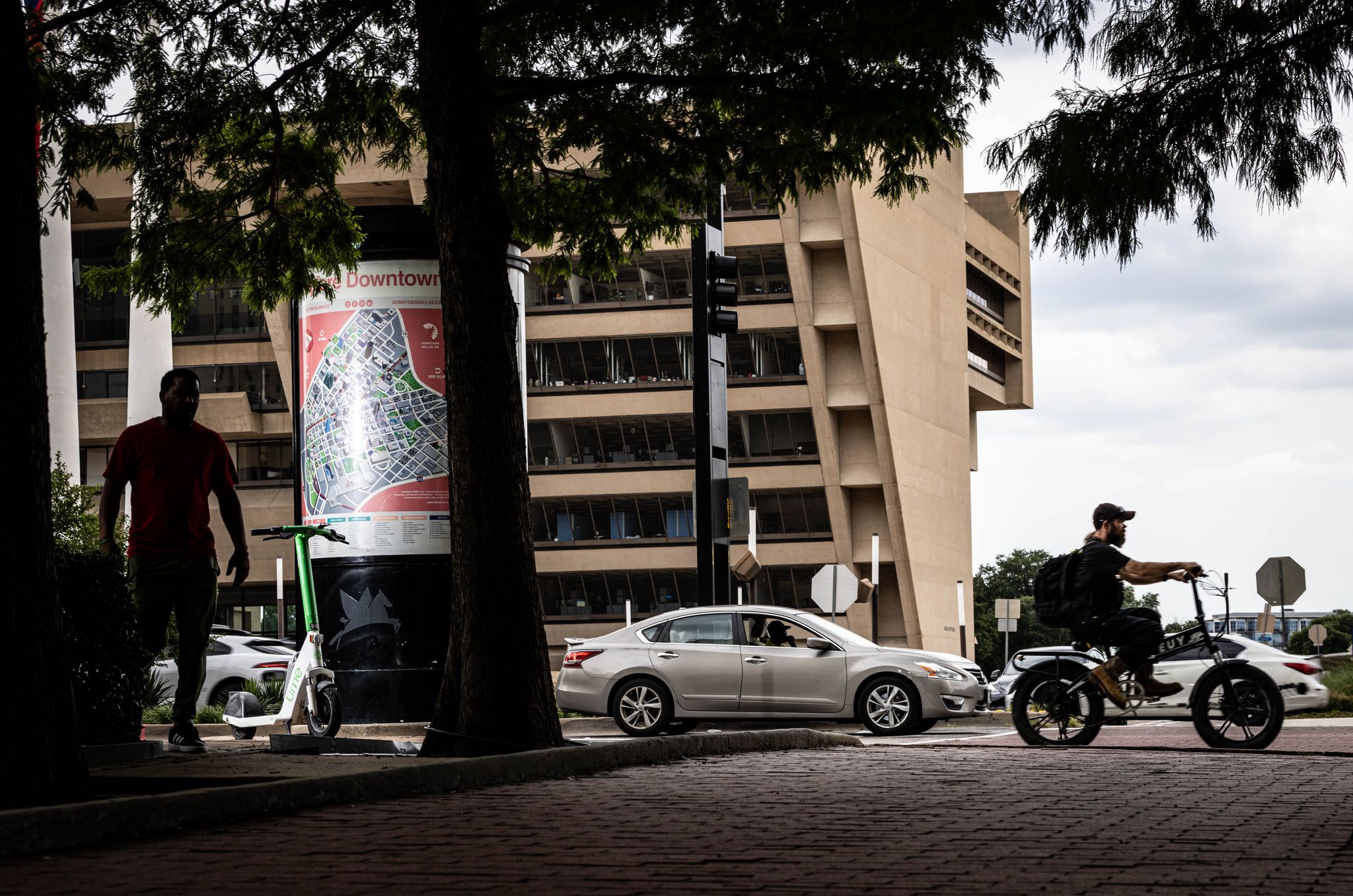
In statements regarding their legal action, Bazaldua emphasized the importance of transparency and public participation in decisions that impact the community. He described Dallas City Hall, designed by renowned architect I.M. Pei, as a significant civic landmark. Bazaldua asserted that any decision of such gravity deserves thorough scrutiny and should not be made in haste.
Blackmon echoed similar concerns, stating that the current relocation process has exhibited numerous flaws. She pointed out the absence of a definitive plan from the Dallas Mavericks, who are reportedly involved in the discussions around the future of City Hall. Blackmon questioned the rationale behind dismantling an existing structure without a clear vision for what will replace it.
The urgency behind the council members’ lawsuit is rooted in fears that authorizing redevelopment could initiate “irreversible actions.” These actions may encompass negotiations and planning that are difficult or impossible to reverse. The council members argue that, without judicial intervention prior to the meeting, there may be no opportunity left to maintain the status quo.
John S. Adams, the attorney representing the three council members, highlighted that the Dallas City Charter obliges city officials to conduct comprehensive reviews before making official decisions. He stated that the council members are fulfilling their duties to ensure that an informed evaluation of the financial implications is made before any vote takes place.
In response to the lawsuit, Rick Ericson, the chief communications officer for the city of Dallas, declined to comment, citing the ongoing litigation. The unfolding legal battle adds a layer of complexity to an already contentious issue, as community members and stakeholders closely monitor developments in what could be a pivotal moment for the future of Dallas City Hall.