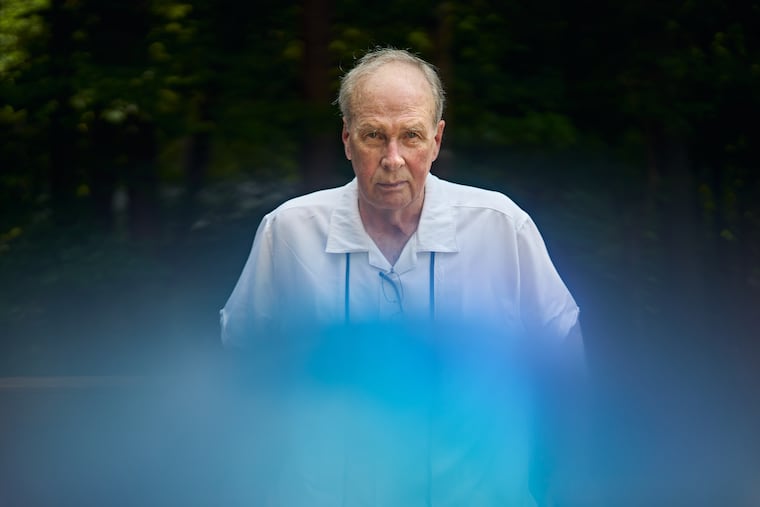
Cole Allen, charged with attempting to kill Trump, identified as ‘apolitical’ during his undergraduate studies.
Cole Tomas Allen, a 31-year-old former Caltech student, stands accused of attempting to assassinate the sitting president of the United States. This shocking allegation has drawn attention not only for its gravity but also for the stark contrast it presents to Allen’s earlier life as a dutiful and apolitical student.
During his sophomore year at the California Institute of Technology, Allen was described by peers as a model student, characterized by a strong adherence to rules and a lack of political engagement. Elizabeth Terlinden, a fellow member of the Caltech Christian Fellowship, recalled that Allen struggled to comprehend the concept of political activism, even requiring persuasion to acknowledge the justification for civil disobedience. Terlinden emphasized that at that time, politics was not a priority for him, reflecting a demeanor that was calm and analytical.
On a recent Saturday, just moments before allegedly attempting to breach security at the White House Correspondents’ Dinner in Washington D.C., Allen communicated his intentions to his family through an extensive email in which he dubbed himself the “Friendly Federal Assassin.” He expressed remorse while articulating his motivations, rooted in anger over the actions of the current administration. His attempt to access the ballroom was thwarted by security personnel who apprehended him armed with guns and knives.
In the aftermath of the incident, former neighbors and associates expressed their disbelief, maintaining that Allen had always come across as congenial and polite. Paul Thompson, a deputy district attorney residing next to Allen’s family home in Torrance, remarked on the shock of discovering that someone he perceived as nonviolent could be implicated in such a serious crime. Allen’s neighbors described moments of interaction characterized by shyness and reservedness, indicating he was not one to socialize extensively.
Allen had recently worked as a tutor at C2 Education, where he was regarded favorably by both students and parents. Ceselia Peralta, whose daughter received tutoring from him, noted his quiet demeanor, adding that her daughter found no indication of troubling behavior during their interactions. Allen’s profile on professional networking platforms highlighted his commitment to teaching, a role he seemed to embrace wholeheartedly.
As the media frenzy envelops the small community of Torrance, family and friends struggle to reconcile their memories of Allen with the recent allegations. This incident starkly illustrates how individuals may harbor complex motivations and hidden grievances, leading to unexpected and troubling actions. While investigations continue, the broader implications of Allen’s alleged attempt raise significant concerns about political extremism and the psychological underpinnings of radicalization. The community remains on edge, grappling with the reality of a once-ordinary individual now at the center of a national security crisis.
The events surrounding Cole Tomas Allen serve as a cautionary tale about the unpredictable nature of human behavior, highlighting the potential for previously inconspicuous individuals to take extreme actions. As the story unfolds, it raises essential questions about the intersections of ideology, mental health, and societal pressures.