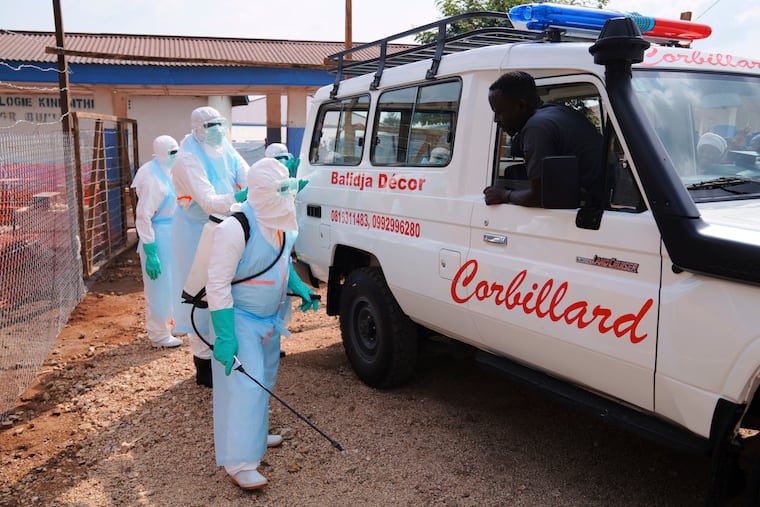
Congo reports over 1,500 deaths in the rapidly expanding Ebola outbreak.
The ongoing Ebola outbreak in eastern Congo has escalated alarmingly, with official reports indicating that it has claimed over 1,500 lives. This figure marks a significant 50% increase in fatalities within approximately one week, underscoring the urgency of the crisis and the challenges faced by public health responders.
As of the latest update on Tuesday, the outbreak has resulted in 3,442 confirmed cases and 1,521 deaths according to government data. The situation is particularly concerning given that the outbreak was declared on May 15 of this year and is linked to the Bundibugyo virus, a strain for which there are currently no approved vaccines or treatments.
Isolation and recovery statistics reflect a grim reality. Reports indicate that there are 797 patients still in isolation or hospitalized, while 615 individuals have recovered. However, contact tracing efforts remain inadequate, with only 78% of known contacts being monitored nationwide, a figure that is significantly below the 95% threshold deemed necessary by health officials to effectively curtail transmission rates.
The outbreak is predominantly centered in the remote Ituri province, responsible for nearly 90% of the cases. This region continues to be vulnerable, as additional cases have been reported across five provinces, including in Kisangani, one of Congo’s largest urban centers.
Interestingly, while Congo grapples with this crisis, neighboring Uganda recently declared itself free from Ebola, completing the discharge of the last patient in mid-June. This stark contrast highlights the varying dynamics of public health responses in the region.
Ebola is a rare yet highly contagious disease, transmitted through bodily fluids such as blood, vomit, or semen. The severity of the illness often leads to fatal outcomes, contributing to the urgency of the current outbreak, which has already surpassed previous instances in terms of death toll and speed of transmission. The outbreak’s trajectory is reminiscent of the 2014-2016 epidemic, which resulted in 28,000 reported cases and over 11,000 deaths but took significantly longer to reach the grim milestone of 1,000 fatalities.
Compounding the crisis, public apprehension has arisen over the ability of health officials to access affected communities, exacerbated by recent tensions and violent incidents involving local residents and rebels. Attacks on health facilities, notably a July 15 incident that targeted a hospital and a treatment center, led to the temporary withdrawal of international support from organizations such as the World Health Organization and Africa CDC.
Local health authorities report stabilization in security conditions and are urging the immediate re-engagement of international partners to fortify efforts in surveillance, contact tracing, and the provision of essential medical supplies. With potential redeployment of response teams on the horizon, the global community remains vigilant in the face of an outbreak that continues to assert a heavy toll on public health.
As the situation evolves, it underscores the necessity for sustained international collaboration and effective intervention strategies to mitigate the impacts of this devastating outbreak.