
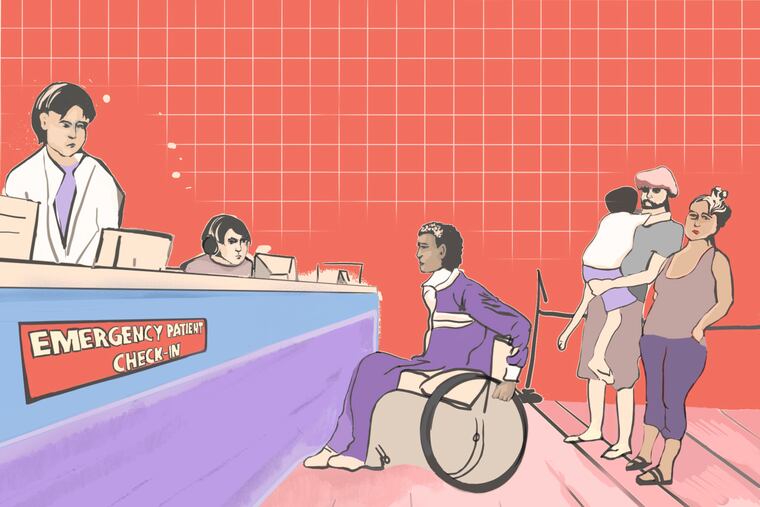
Crozer Emergency Room closes, prompting nearby hospitals to prepare for an influx of patients.
The closure of Crozer-Chester Medical Center, which ceased operations in May, has unleashed a significant strain on regional healthcare providers in Delaware County, Pennsylvania. This facility, known for housing the area’s busiest emergency department and the only Level 1 trauma center, was part of a network operated by Prospect Medical Holdings, a for-profit company based in California. Its financial difficulties were compounded by mismanagement, which ultimately led to the decision to shut down not only Crozer-Chester but also its affiliate, Taylor Hospital. Over the past two years, Prospect Medical had already closed two other hospitals within the same network, leaving a pronounced gap in essential medical services in a densely populated area.
In the aftermath of Crozer’s closure, nearby hospitals are experiencing an unprecedented influx of patients. For instance, Riddle Hospital in Media reported a notable 40 percent increase in emergency visits, highlighting the urgent need for healthcare facilities to adapt to the sudden shift in patient demand. Municipalities and healthcare nonprofit organizations have been collaborating to establish ambulance and emergency medical services (EMS) operations to compensate for the approximately 60 percent of the county’s EMS providers that Crozer once delivered.
Data from the Pennsylvania Department of Health indicates that emergency department visits at Crozer had already seen a decline of 9.3 percent from 2021 to 2023, while neighboring hospitals, including Riddle and Mercy Fitzgerald Hospital operated by Trinity Health, were experiencing an uptick in emergency visits during the same timeframe. This trend suggests that patients had begun directing their healthcare needs to alternative facilities even before Crozer’s operational cessation.
The repercussions of Crozer’s financial struggles became evident when Delaware County Memorial Hospital and Springfield Hospital were closed in 2022. For many patients, uncertainty regarding Crozer’s fate likely influenced their decision to seek care elsewhere. Statistics show that Crozer recorded roughly 65,000 emergency room visits in 2023, predominating in the county despite recent declines. In comparison, Riddle and Mercy Fitzgerald had approximately 38,000 and 39,500 emergency visits, respectively.
Healthcare leaders from both Main Line Health, which oversees Riddle, and Trinity Health are actively implementing strategies to accommodate the influx of patients. These initiatives include expanding virtual care services, augmenting the workforce of primary care providers, and enhancing urgent care options. As conditions escalate, it is anticipated that the current healthcare landscape will continue to face challenges linked not only to the closure of Crozer but also to the existing shortage of primary care and mental health resources in the region.
With Crozer’s former patients now needing to find alternative healthcare solutions, hospitals must prioritize their emergency readiness while exploring ways to effectively manage the rising caseload and facilitate timely care for those experiencing medical crises. The impending result is a longer wait time for critical patients, particularly in areas requiring specialized psychiatric care, further complicating the post-Crozer healthcare dynamic. Efforts are underway between healthcare systems to ensure stability within Delaware County’s emergency care offerings as they navigate this period of adjustment.
As Main Line Health and Trinity Health mobilize their resources to confront this heightened demand, the broader implications for community health and access to emergency services highlight a crucial area of concern that warrants ongoing attention and strategic intervention moving forward.
Media News Source.


