Cubans face survival challenges amid increased U.S. pressure on the island to remove the current government.
In the face of escalating economic pressure from the United States, many Cubans are adapting their lives to become increasingly self-sufficient. This shift comes as the U.S. government tightens its sanctions on the island nation, a move that experts claim may be aimed at inciting a popular uprising and facilitating governmental change.
The economic climate in Cuba has already been dire, characterized by severe shortages of goods, rampant inflation, and frequent blackouts, which have increasingly impacted daily life. These challenges were further exacerbated when U.S. sanctions disrupted crucial oil shipments from Venezuela, a situation that intensified after U.S. actions against the South American country’s leadership.
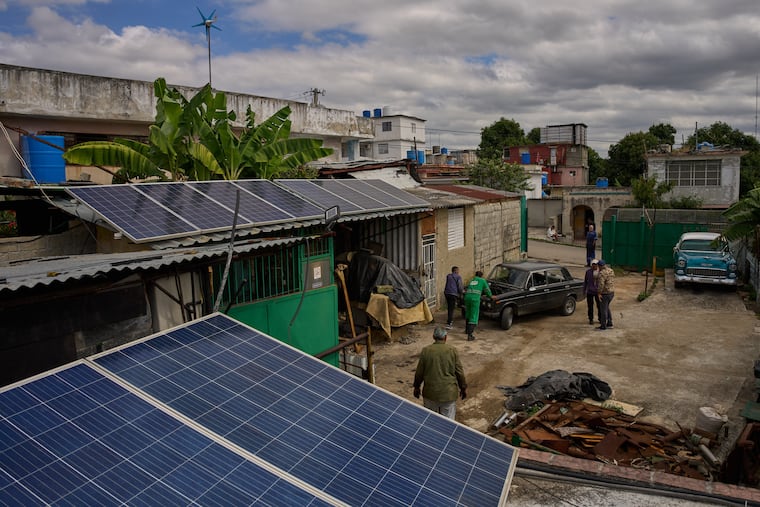
In response to these compounding pressures, many individuals across Cuba are embarking on initiatives to enhance their self-reliance. A growing number are installing solar panels or turning to agricultural practices, cultivating crops in their own backyards, and adopting a more primitive lifestyle that minimizes reliance on technology, as well as fossil fuels. The aim is survival in an environment where economic stability has become increasingly elusive.
People like José Ángel Méndez Faviel exemplify this trend. After moving from urban Havana to a rural area, Méndez has begun planting his own crops and gathering essential supplies, such as gasoline and charcoal, in anticipation of ongoing energy shortages. His situation reflects a broader sentiment among Cubans who are reconsidering their previous dependencies and prioritizing basic necessities.
The current socio-economic landscape has spurred discussions regarding the potential for a more significant crisis. Experts have suggested that, without extraordinary changes, Cuba might be on the brink of a catastrophic breakdown. This perception is underscored by U.S. political rhetoric, which has increasingly framed the nation as a regime on the verge of collapse, following years of financial strain.
However, many Cubans reject this narrative. They point to their historical resilience, recalling the perseverance demonstrated during the so-called “Special Period” of the 1990s, when the collapse of the Soviet Union led to severe hardships. Residents insist that any change within Cuba will result from internal motivations rather than external pressures.
A recent expression of national pride was observed during a torch-lit march commemorating national hero José Martí, where young university students affirmed their commitment to the Cuban identity and their readiness to face challenges head-on. Notably, they stated that their determination stems from an inherent desire to shape their future.
As individuals like Ángel Eduardo make strides in developing renewable energy solutions, providing solar systems for homes, the demand for sustainable alternatives continues to grow. In the current energy crisis, such initiatives represent not just survival but potentially transformative change for the Cuban community.
Despite significant challenges, Cubans remain steadfast in their resolve. As they confront economic adversity, many express their intent to adapt and maintain their cultural identity against all odds, emphasizing a refusal to be dictated by external forces. This growing movement toward self-sustainability, driven by necessity, reflects not only the prevailing conditions on the island but also the enduring spirit of its people amidst profound change.
Media News Source