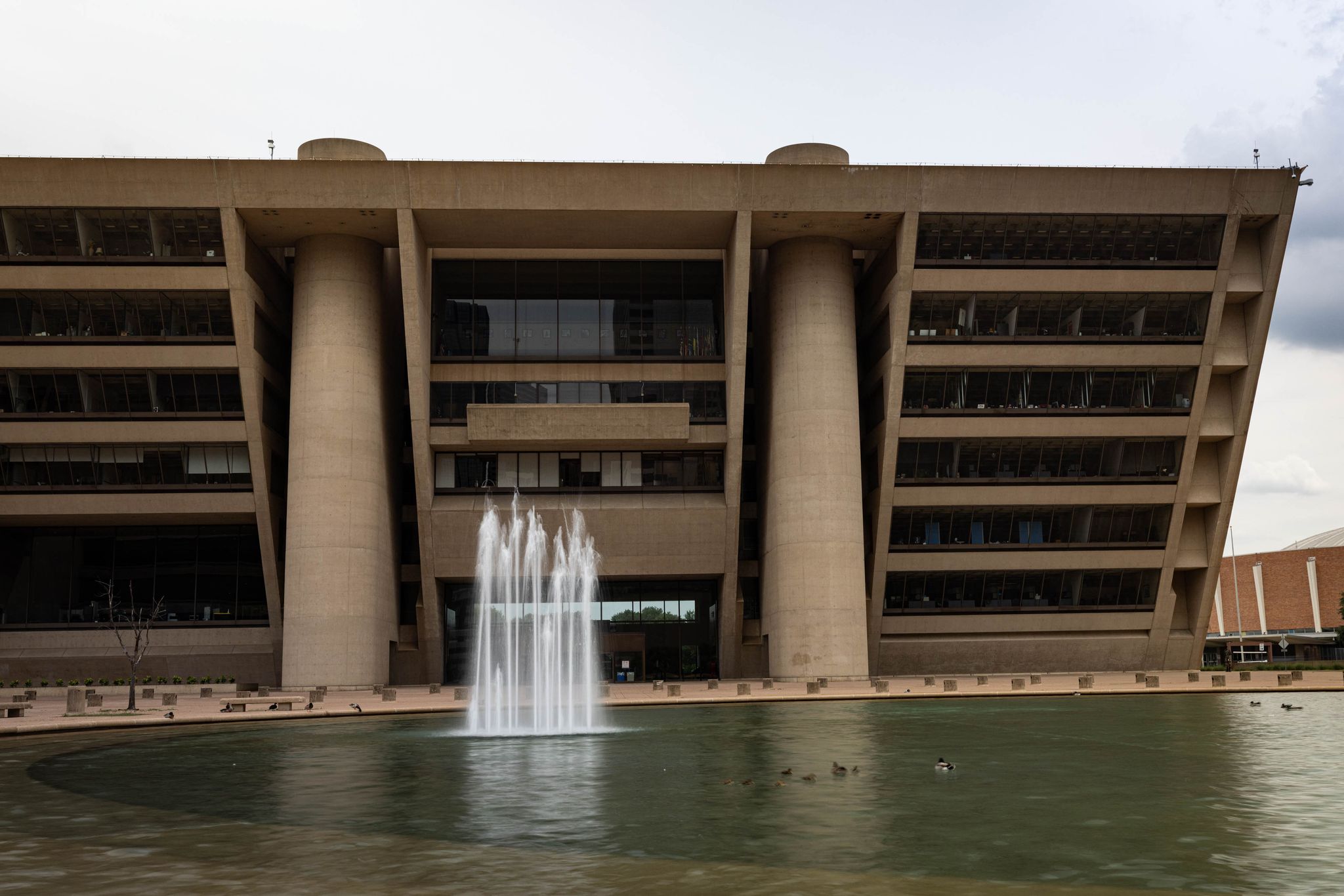
Dallas City Council set to make crucial decision on the future of City Hall and city operations.
The Dallas City Council is set to deliberate on a significant decision regarding the future of the city’s operations at its iconic City Hall, designed by the renowned architect I.M. Pei. The council’s upcoming meeting, scheduled for next week, will address whether to remain at the current site or consider relocating essential city functions to a different location.
The agenda for this meeting includes a comprehensive briefing on the costs associated with potential relocations, as well as the implications of debt financing related to the decision. Council members will be asked to vote on four distinct proposals. Two of these proposals will empower City Manager Kimberly Bizor Tolbert to conduct necessary due diligence and negotiate any relocation agreements that may arise. Another item will focus on the potential redevelopment of the City Hall site, while the fourth will grant Tolbert the authority to implement phased repairs to the existing building.
This discussion is underscored by recent comments from Mayor Eric Johnson, who voiced his support for relocating from the current City Hall building in a televised interview. The Mayor referenced increasing repair costs as a primary concern prompting the need for reconsideration of the city’s facilities.
Consultants presented findings to the Council this week, estimating that repairing and modernizing the existing structure could cost between 2 million and 1 million over the next decade. They cautioned that the building’s deteriorating infrastructure and existing code violations render a limited repair approach impractical.
City officials are now confronted with a pivotal choice: allocate substantial financial resources to maintain the historic building or explore more viable relocation options. This decision comes amidst heightened scrutiny of downtown Dallas, following notable recent announcements such as Neiman Marcus’s intention to close its flagship store on Main Street, the Dallas Mavericks’ plans for a new arena district in North Dallas, and the Dallas Stars’ consideration of Plano as a potential site for a future arena.
The specifics of the required voting process remain ambiguous, particularly in regard to what constitutes a supermajority among the council. According to the city’s financial management guidelines, a supermajority vote is mandated for the approval of any new or reopened facility. Confusion persists over whether this supermajority requires 10 or 12 votes out of the 14-member council and the mayor, as interpretations vary among public officials.
Furthermore, the city attorney’s office has yet to publicly disclose its official opinion on the matter, while the Save Dallas City Hall coalition has signaled its readiness to challenge any actions they perceive as noncompliant with city financial policies. The outcome of next week’s deliberations is poised to have a significant impact on the future of city governance and urban development in Dallas.