Di Bruno Bros. to close three stores amid customer dissatisfaction over loss of unique appeal.
The recent announcement regarding the impending closure of three Di Bruno Bros. grocery stores has resonated throughout the community, eliciting a wave of disappointment among customers familiar with the brand’s storied history. This decision comes in the wake of noticeable shifts in product quality and customer satisfaction, leading many to reflect on the local grocery landscape and the legacy of this iconic establishment.
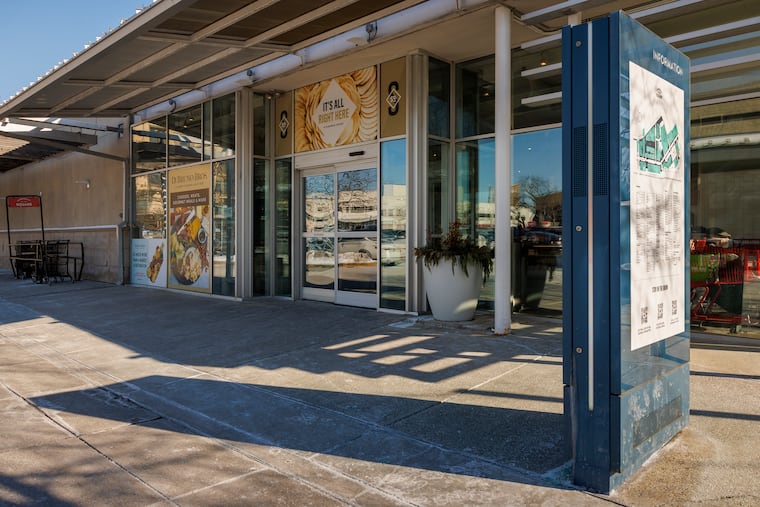
Di Bruno Bros., which originated in South Philadelphia in 1939, has been celebrated for its high-quality Italian products and a strong emphasis on customer service. However, the company has faced increasing challenges in recent years, prompting a strategic retreat. The closures will affect the Ardmore location on February 4 and the Wayne store, along with the shop at the Franklin Residences in Center City, which are slated to close on February 11. The original Di Bruno Bros. location and its Rittenhouse branch will continue operations, along with its online presence.
Feedback from community members indicates a general sadness about the store’s downsizing. Customers have pointed to a decline in product quality as a major factor in their decision to move away from the grocery chain. Many former patrons, like Xavier Hayden from Narberth, have expressed concerns about paying premium prices for what they perceive as a diminished product offering. Others, however, note that while there has been a decline in quality, it has not completely deterred them from shopping at Di Bruno’s.
The decision to close these stores also impacts 59 employees. Sandy Brown, the executive vice president of Di Bruno’s parent company, has indicated that affected staff will be offered positions at other Brown’s Super Stores, which include several ShopRite and Fresh Grocer locations.
The broader implications of these closures are evident to industry observers. Douglas Green, a principal at MSC, noted that the operational capacity had declined post-acquisition by Brown’s Super Stores, likening it to a company spreading itself too thin. His insights suggest a need for revitalization in the grocery offerings at key locations to better meet community demands moving forward.
Customer sentiment regarding the closure remains mixed. While many acknowledge a slip in standards, the nostalgic connection to Di Bruno Bros. lingers, as for many, it is more than just a grocery store. It represents a long-standing relationship with a brand that has been woven into the fabric of Philadelphia’s culinary culture, raising questions about the future of specialty food retail in the region.
As Di Bruno Bros. pivots towards its remaining establishments and online business, stakeholders will be keenly observing how this adaptation unfolds and how it will reshape the local grocery scene. The shift could potentially pave the way for new offerings and concepts in the previously held locations, representing both a loss and an opportunity for innovation in Philadelphia’s culinary landscape.