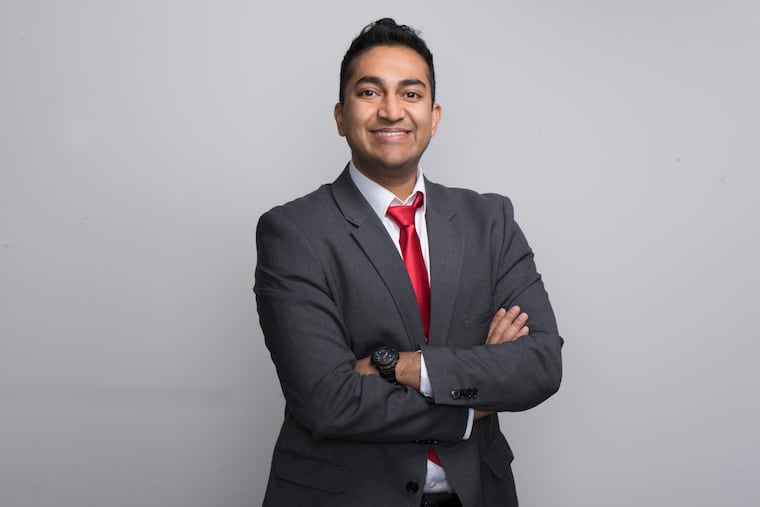
FDA vaccine chief resigns for the second time under the Trump administration.
The Food and Drug Administration (FDA) has announced the departure of its vaccine chief, Vinay Prasad, marking his second exit from the agency within a year. This exit follows a series of contentious decisions related to the review of vaccines and specialty drugs aimed at addressing rare diseases. FDA Commissioner Marty Makary communicated the news to staff via email, confirming that Prasad would return to his academic role at the University of California, San Francisco, by the end of April.
Prasad’s tenure has been marked by significant challenges, particularly his encounters with biotech companies, patient advocacy groups, and political allies during the Trump administration. His first departure in July resulted from a conflict with these stakeholders, although he was reinstated shortly thereafter with support from both Secretary of Health Robert F. Kennedy Jr. and Makary himself.
Recent controversies surrounding Prasad’s leadership have added to the tumultuous environment at the FDA. High-profile criticisms emerged following his handling of significant vaccine and gene therapy reviews, which prompted pushback from pharmaceutical executives and members of Congress. Notably, Prasad faced scrutiny for initially rejecting an application from the noted drugmaker Moderna for a novel mRNA-based flu vaccine—a decision deemed irregular for the agency. This rejection led to public outcry, and ultimately, the FDA reversed its stance, agreeing to review the vaccine pending further data.
In another notable incident, the FDA has confronted UniQure, a smaller firm developing a gene therapy for Huntington’s disease. The agency’s demand for the company to conduct a new trial involving a sham surgical procedure has been met with ethical concerns from the company’s executives. The firm argues that this request contradicts previous guidance issued by the FDA and raises significant patient welfare issues. Notably, the FDA subsequently organized an atypical press conference to defend its decision, emphasizing the need for additional studies to validate the treatment’s efficacy.
Prasad’s leadership has consistently prompted debates about the balance between regulatory scrutiny and advancing drug development, particularly during a time of heightened urgency due to the COVID-19 pandemic. His tenure was characterized by an effort to streamline the FDA’s drug approval processes while also imposing stricter standards on specific therapies, particularly those related to COVID-19.
This duality—an attempt to accelerate drug development coupled with a rigorous demand for safety and efficacy—has left many observers pondering the FDA’s ongoing regulatory approach. Drug companies working on innovative therapies for challenging diseases have experienced a series of delays and setbacks, potentially adding years and substantial financial burdens to their development timelines.
As the FDA seeks stability and direction amidst these challenges, the future of vaccine regulation and drug approvals remains a critical focus for policymakers, industry leaders, and public health advocates alike. The circumstances surrounding Prasad’s departure underscore the complexities faced by regulatory agencies in navigating the delicate interplay of innovation, safety, and public health.